
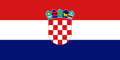
Land Informatie
 Hoofdstad: Zagreb
 Continent: Europe
 Taal: Croatian
 Bevolking: 4 225 316
 Oppervlakte (km2): 56 594
Oppervlakte (sq mi): 21 851
Oppervlakte (km2): 56 594
Oppervlakte (sq mi): 21 851 Extra Informatie
 Valuta: Croatian kuna kn (HRK)
 ISO Code: HR
 Domain Extensie: .hr
 Telefonie Landcodes: +385
 Tijd (CET): UTC+01:00
Tijd (CEST): UTC+02:00
Tijd (CET): UTC+01:00
Tijd (CEST): UTC+02:00Website
 Official Website: Gov.hr
 Info Website: Croatia.hr
Extra Links
 Bedrijven Register: Pravosudje.hr
Social Media & Nieuws
 Coins: 7
 Exchanges: 4
 Wallets: 1
 Bedrijven: 1
 Totaal: 13
Ranking
 Algemene Rang: 68
 Rang Per Inwoner: 60
Blockchain overzicht
Categorie:
| Naam | Categorie |
|---|
Veelgestelde vragen
Description
Disclaimer: The regulatory information provided below is for general informational purposes only and may not reflect the most current legal developments. Cryptocurrency regulations are rapidly evolving and can change frequently. This information should not be considered legal or tax advice. Before making any business or investment decisions, please consult with qualified legal, tax, or financial professionals familiar with your specific jurisdiction and circumstances. Always verify current regulations with official government sources and regulatory bodies.
Legal Classification & Regulatory Framework
Cryptocurrency Status
In Croatia, cryptocurrencies are legal to own, trade, and use, but they are not recognized as legal tender. The Croatian National Bank (Hrvatska Narodna Banka, HNB) has clearly stated that cryptocurrencies do not qualify as currency or money under Croatian law. Instead, they are classified as a form of property or financial asset, similar to money market instruments.
This classification means that while individuals and businesses can freely engage in cryptocurrency activities, digital assets cannot be used for official payments or replace the euro (which Croatia adopted as its official currency upon joining the Eurozone). The legal framework treats cryptocurrency transactions as financial transactions, placing them under specific tax and compliance obligations.
As a European Union member state, Croatia falls under the EU’s Markets in Crypto-Assets Regulation (MiCA), which became applicable at the end of December 2024. This landmark regulation introduces harmonized rules across all EU member states, providing greater legal clarity and consumer protection while establishing consistent standards for crypto-asset service providers.
Tax Treatment
Croatia has established clear guidelines for the taxation of cryptocurrency activities. The Croatian Tax Authority (Porezna Uprava) treats cryptocurrency trading as a financial transaction subject to capital gains tax.
For Individual Investors:
- Capital gains from converting cryptocurrency to fiat currency (such as euros) are taxed at a rate of 12%
- A significant tax exemption exists for long-term holders: if cryptocurrency is held for more than two years before selling, the capital gains are completely tax-exempt
- Exchanging one cryptocurrency for another (crypto-to-crypto trades) is not considered a taxable event
- Simply holding cryptocurrency or transferring it between personal wallets does not trigger tax liability
- Using cryptocurrency to purchase goods or services is treated as a disposal and may trigger capital gains tax if a profit is realized
- Capital losses can be offset against capital gains realized in the same year, provided the losses occur within two years of acquisition
For Mining and Staking:
- Income from cryptocurrency mining is generally treated as other income or business income, depending on the scale of operations
- Staking rewards are typically taxed as regular income under general income tax rates
- When mined or staked cryptocurrency is later sold, capital gains tax applies if the sale occurs within two years and results in a profit
For Businesses:
- Corporate income tax applies to crypto-related profits at rates of 10% (for annual revenue below €1,000,000) or 18% (for higher revenue)
- Businesses must maintain proper documentation and comply with standard corporate accounting and tax reporting requirements
- VAT treatment follows standard EU guidelines, with cryptocurrency exchange services generally exempt from VAT
Taxpayers are required to report cryptocurrency income by the end of February following the relevant tax year, using the JOPPD form through the ePorezna electronic system. Proper documentation of all transactions is essential, including certificates from exchanges or trading platforms.
Regulatory Oversight
Croatia has established a dual regulatory structure for cryptocurrency supervision:
Croatian Financial Services Supervisory Agency (HANFA – Hrvatska Agencija za Nadzor Financijskih Usluga):
HANFA serves as the primary regulator for crypto-asset service providers in Croatia. Its responsibilities include:
- Maintaining the Registry of Virtual Asset Service Providers (VASPs)
- Supervising compliance with anti-money laundering and counter-terrorist financing requirements
- Issuing authorizations and licenses under the MiCA framework
- Enforcing compliance and imposing sanctions for violations
- Consumer protection and market surveillance
Croatian National Bank (HNB – Hrvatska Narodna Banka):
Under the MiCA framework, HNB oversees specific aspects of the crypto market, particularly:
- Issuers of Asset-Referenced Tokens (ARTs)
- Issuers of E-Money Tokens (EMTs)
- Monetary policy implications of digital assets
All crypto-asset service providers must comply with the Croatian Act on the Prevention of Money Laundering and Financing of Terrorism (Zakon o sprječavanju pranja novca i financiranja terorizma), which mandates comprehensive AML/KYC procedures, transaction monitoring, and suspicious activity reporting.
Business Environment
Banking Relationships
One of the significant challenges for cryptocurrency businesses in Croatia is establishing banking relationships. Croatian banks generally maintain a cautious approach toward crypto-related enterprises and are often reluctant to open accounts for companies providing crypto services.
Banks typically cite their general terms and conditions when declining to serve crypto businesses, reflecting broader concerns about regulatory compliance and risk management. The Croatian National Bank’s policy does not prohibit banks from serving crypto businesses but leaves the decision to individual institutions’ risk assessments.
Companies planning to enter the Croatian crypto market are strongly advised to:
- Engage with potential banking partners early in the planning process
- Prepare comprehensive documentation demonstrating robust compliance frameworks
- Consider establishing relationships with banks that have shown openness to fintech and crypto businesses
- Explore options with EU-wide banking services that may offer cross-border solutions
This banking environment, while challenging, may improve as MiCA implementation provides greater regulatory clarity and standardization across the EU.
Licensing Requirements
Croatia’s licensing framework for cryptocurrency businesses has evolved significantly with MiCA implementation:
Pre-MiCA Requirements (Transitional Period):
Virtual Asset Service Providers (VASPs) that were operating before MiCA became applicable must:
- Be registered in HANFA’s VASP registry
- Comply with AML/KYC requirements
- Transition to full MiCA authorization by July 2026
MiCA Licensing Requirements:
Under the full MiCA framework, crypto-asset service providers (CASPs) must obtain proper authorization from HANFA. The licensing process includes:
- Submission of a detailed program of activities covering business model, services, and client segments
- Governance documentation including organizational structure and fit-and-proper assessments for directors
- Comprehensive risk management and AML/KYC policies
- Technical infrastructure documentation demonstrating cybersecurity capabilities
- Capital requirements based on the services provided
- Business continuity and incident response plans
The registration process with HANFA can take several months to complete. Pre-application meetings are encouraged to help companies prepare adequate documentation. Once authorized in Croatia, CASPs can passport their services across the entire EU without requiring separate licenses in each member state.
Penalties for operating without proper authorization can be substantial, with fines reaching up to €500,000 for unregistered VASPs, along with potential blacklisting from the Croatian market.
Innovation Support
While Croatia does not position itself as a major cryptocurrency hub, the government has taken a balanced approach that supports innovation while maintaining regulatory oversight:
Fintech Development:
Zagreb has emerged as a growing center for fintech startups, including those incorporating blockchain-based solutions. The ecosystem benefits from Croatia’s skilled technical workforce and competitive operating costs compared to Western European locations.
Educational Initiatives:
Industry associations, including the Blockchain and Cryptocurrency Association of Croatia (Udruga blockchain i kriptovaluta), work to promote education and advocate for sensible regulation. These organizations engage with regulators and provide resources for both businesses and consumers.
Digital Euro Participation:
As a Eurozone member, Croatia participates in the European Central Bank’s digital euro preparatory work. The HNB is actively analyzing the concept of a digital euro, assessing use cases, technical feasibility, and monetary policy implications.
Technology Neutral Approach:
Croatian regulators maintain a technology-neutral stance, recognizing blockchain’s potential applications beyond cryptocurrency in areas such as supply chain management, identity verification, and public records.
Market Characteristics
Adoption Patterns
Croatia has shown notable interest in cryptocurrency adoption among its population. Survey data has indicated that Croatia ranks among the higher EU member states for cryptocurrency ownership, reflecting growing consumer interest in digital assets.
Consumer Adoption:
- Cryptocurrency ownership and trading have gained mainstream awareness
- Various businesses, including hotels, restaurants, webshops, and even some local government institutions accept crypto payments
- The tourism sector has shown particular openness to cryptocurrency, with some establishments accepting Bitcoin and Ethereum through third-party payment processors
Payment Acceptance:
While cryptocurrency payments are possible, they remain in a legal gray area when used for direct purchases. Most businesses that accept crypto do so through intermediaries that immediately convert to fiat currency. This approach helps with compliance and accounting while offering customers payment flexibility.
Infrastructure:
Croatia has domestic cryptocurrency exchanges and service providers registered with HANFA, offering local-language services and euro-denominated trading. International exchanges are also accessible to Croatian residents, though they must comply with applicable EU regulations to actively solicit Croatian customers.
Industry Focus
The Croatian cryptocurrency industry has developed around several key areas:
Exchange Services:
Several cryptocurrency exchanges operate in Croatia, providing trading, custody, and payment processing services. These platforms serve both retail and institutional clients, with some having achieved significant revenue figures.
Blockchain Development:
Croatian developers and technology companies contribute to blockchain projects, benefiting from the country’s strong educational system in technical fields and competitive labor costs.
Compliance and Legal Services:
As regulations have developed, a specialized ecosystem of legal and compliance service providers has emerged to help crypto businesses navigate licensing and ongoing regulatory requirements.
DeFi and NFTs:
While decentralized finance (DeFi) and non-fungible tokens (NFTs) exist in the Croatian market, regulatory clarity for these specific areas remains limited. Businesses operating in these spaces must carefully assess applicable regulations and potential compliance obligations.
Regulatory Evolution
Croatia’s approach to cryptocurrency regulation has evolved substantially over recent years:
Historical Development:
- Initial period of minimal regulation with cryptocurrencies existing in an undefined space
- 2017: Tax authorities clarified capital gains treatment for cryptocurrency transactions
- 2020: AML regulations extended to cover virtual asset service providers
- 2023: Mandatory registration with HANFA introduced for VASPs
- 2024-2025: Full MiCA implementation, creating comprehensive regulatory framework
EU Alignment:
As an EU member state, Croatia’s regulatory trajectory is closely aligned with European developments. The MiCA framework provides the foundation for crypto regulation, while additional EU requirements such as the Transfer of Funds Regulation (Travel Rule) impose additional compliance obligations.
Future Outlook:
- Full MiCA compliance expected by mid-2026
- Potential legislative discussions around adjusting tax rates
- Continued participation in digital euro development
- Possible clarification of DeFi, NFT, and stablecoin treatment as EU guidance develops
Croatia’s regulatory approach reflects a balanced philosophy: accepting innovation and the potential benefits of blockchain technology while ensuring appropriate consumer protection, financial stability, and compliance with EU standards. The country does not seek to become a leading cryptocurrency hub but aims to create a stable, regulated environment where legitimate crypto businesses can operate with legal clarity.
For Current Information
For the most up-to-date regulatory information, please consult the following official sources:
- Croatian Financial Services Supervisory Agency (HANFA): https://www.hanfa.hr
- Croatian National Bank (HNB): https://www.hnb.hr
- Croatian Tax Administration (Porezna Uprava): https://www.porezna-uprava.hr
- Ministry of Finance (Ministarstvo Financija): https://mfin.gov.hr
- European Securities and Markets Authority (ESMA) – MiCA Information: https://www.esma.europa.eu
Landkaart
Crypto Nieuws


Blockchain Bedrijven



Other Countries


Artikelen over crypto en blockchain
Wat is een token?
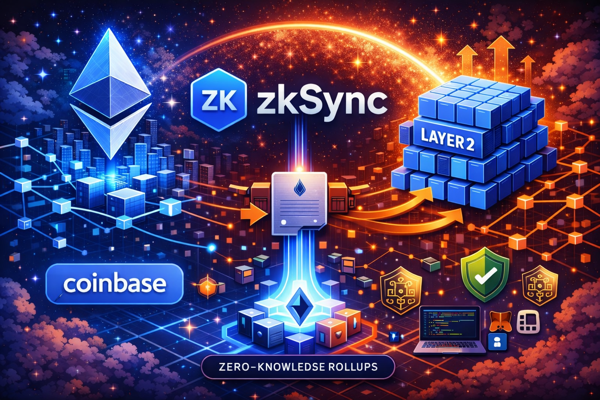
Wat is zkSync (Ethereum Layer 2)?

Bitcoin koers vandaag: wat beïnvloedt de schommelingen?

Wat is Optimism (Ethereum L2)?
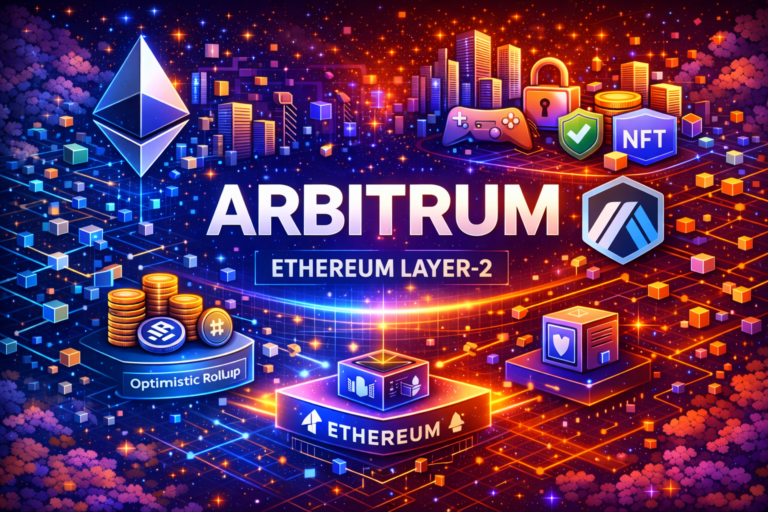
Wat is Arbitrum (Ethereum Layer-2)?


Persberichten en bijdragen



Mingo Beveiligd Exclusieve Ticketdeal voor 54 Landen op Hedera

Aster “Mens vs AI” Live Handelscompetitie Seizoen 1 Concludeert