Country Information

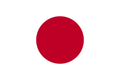
Address icon Capital: Tokio
Continent icon Continent: Asia
Language icon Language: Japanese
Population icon Population: 126 880 000
Surface icon Surface (km2): 377 930
Surface icon Surface (sq mi): 145 920

Extra Information

Currency icon Currency: Japanese yen ¥ (JPY)
ISO Code icon ISO Code: JP
Domain Extension icon Domain Extension: .jp
Phone icon Calling Code: +81
Clock icon Time (CET): UTC+09:00
Clock icon Time (CEST): UTC+09:00

Website

Website icon Official Website: Japan.go.jp
Website icon Info Website: Japan.com

Extra Links

Website icon Company Registry: Jcc.or.th

Social Media & News

Coin icon Coins: 82
Exchange icon Exchanges: 18
Wallets icon Wallets: 2
Companies icon Companies: 4
Total icon Total: 106

Ranking

Overall Rank icon Overall Rank: 22
Rank Per Capita icon Rank Per Capita: 89

Blockchain Overview

Category:
NameCategory

Frequently Asked Questions

There are 82 coins based in Japan.
There are 18 exchanges based in Japan.
There are 2 wallets based in Japan.
There are 106 blockchain entities in Japan.
Japan ranks 22 based on the total of blockchain entities based there.
Based on the total of blockchain entities Japan ranks 89 per capita.
In Japan the people speak: Japanese
The currency used in Japan is Japanese yen ¥ (JPY).
The capital of Japan is Tokio.
Japan is located in Asia.
The population of Japan is around 126 880 000.
Japan has a time zone between UTC+09:00 and UTC+09:00.
The 2-letter ISO code of Japan is jp.
Japan has uses the domain extension .jp.
The calling code number of Japan is +81.
You can find the company registry under the section extra links on this page.

Description

Disclaimer: The regulatory information provided below is for general informational purposes only and may not reflect the most current legal developments. Cryptocurrency regulations are rapidly evolving and can change frequently. This information should not be considered legal or tax advice. Before making any business or investment decisions, please consult with qualified legal, tax, or financial professionals familiar with your specific jurisdiction and circumstances. Always verify current regulations with official government sources and regulatory bodies.

Legal Classification & Regulatory Framework

Cryptocurrency Status

Japan stands as one of the world’s most progressive and well-regulated cryptocurrency markets, having established a comprehensive legal framework for digital assets earlier than most major economies. Under Japanese law, cryptocurrencies are legally classified as “Crypto Assets” (formerly referred to as “virtual currencies”) and are recognized as legal property under the Payment Services Act (PSA).

This classification distinguishes crypto assets from traditional securities, as they do not represent legal rights to profit distributions such as dividends or interest. However, the Japanese government is actively considering significant changes to this framework, with proposals to potentially reclassify certain crypto assets as financial products under the Financial Instruments and Exchange Act (FIEA). This shift would bring digital assets closer to the regulatory treatment applied to securities and other investment products, enhancing investor protections while potentially allowing for new financial products such as cryptocurrency ETFs.

The regulatory framework explicitly distinguishes between different types of digital assets. Non-fungible tokens (NFTs) are generally not classified as crypto assets unless they possess characteristics of payment instruments or securities. Stablecoins backed by fiat currencies are regulated separately as “Electronic Payment Instruments” (EPIs), with distinct licensing requirements for issuers.

Tax Treatment

Japan’s cryptocurrency tax regime is notably comprehensive but can be complex for individual investors. The National Tax Agency (NTA) classifies profits from cryptocurrency transactions as “miscellaneous income” for individuals. This income is subject to progressive income tax rates ranging from 5% to 45% at the national level, plus a flat 10% local inhabitant tax. Combined, the maximum effective tax rate can reach approximately 55% for high-income earners.

Taxable events include selling cryptocurrency for Japanese yen or other fiat currencies, exchanging one cryptocurrency for another, using cryptocurrency to purchase goods or services, and receiving cryptocurrency through mining, staking, or airdrops. Purchasing cryptocurrency with fiat currency and transferring assets between wallets owned by the same individual are not taxable events.

Cryptocurrency losses can only offset other miscellaneous income within the same tax year. Currently, losses cannot be carried forward to future years, though this may change under proposed reforms. The government has been considering transitioning to a separate taxation system with a flat rate, potentially around 20%, which would align crypto taxation more closely with the treatment of securities gains.

Corporate taxation follows standard corporate tax principles, with crypto holdings subject to the corporate tax rate. Recent tax reforms have provided some relief for corporations by exempting certain self-issued crypto assets from year-end mark-to-market taxation, encouraging domestic blockchain development and token issuance.

Regulatory Oversight

The Financial Services Agency (FSA) serves as Japan’s primary regulatory authority for cryptocurrency activities. The FSA is responsible for registering and supervising crypto-asset exchange service providers, developing legal frameworks, and enforcing anti-money laundering (AML) and counter-terrorist financing (CFT) requirements.

Japan maintains a unique self-regulatory structure through two officially recognized self-regulatory organizations (SROs). The Japan Virtual and Crypto Assets Exchange Association (JVCEA) oversees cryptocurrency exchange operations, sets industry rules, and pre-approves new crypto assets before they can be listed on member exchanges. The Japan Security Token Offering Association (JSTOA) specifically oversees businesses involved in security token offerings.

The National Tax Agency (NTA) handles tax compliance and works closely with exchanges to track transactions. The Ministry of Finance enforces the Foreign Exchange and Foreign Trade Act, requiring residents to report large cross-border crypto asset transactions exceeding specified thresholds.

All crypto-asset exchange service providers (CAESPs) must register with the FSA before operating in Japan. The registration process is rigorous and typically takes several months, requiring demonstrable compliance with strict cybersecurity standards, asset segregation requirements, AML/CFT protocols, and financial reporting obligations.

Business Environment

Banking Relationships

Japan’s traditional banking sector has increasingly embraced blockchain technology and digital assets, creating a more favorable environment for crypto businesses compared to many other jurisdictions. Major financial institutions, including Mitsubishi UFJ Financial Group (MUFG) and SBI Holdings, have actively invested in blockchain infrastructure and digital asset initiatives.

While banks themselves are not currently permitted to issue stablecoins on permissionless blockchains due to prudential concerns, they can participate in the digital asset ecosystem through subsidiaries and partnerships. Banks are authorized to issue tokenized deposits where transfers occur among identified users. Several major banks have developed consortium platforms for issuing and trading digital securities and stablecoins.

Licensed cryptocurrency exchanges generally have access to banking services, though relationships require ongoing compliance with regulatory requirements. The FSA’s stringent registration requirements for exchanges have helped establish trust between crypto businesses and traditional financial institutions.

Licensing Requirements

Operating a cryptocurrency exchange or providing custody services in Japan requires registration as a Crypto-Asset Exchange Service Provider (CAESP) with the FSA. The registration process involves comprehensive review of the applicant’s business plan, financial stability, security measures, internal controls, and AML/CFT procedures.

CAESPs must maintain minimum capital requirements, segregate customer assets from proprietary assets, store a significant portion of customer crypto assets in cold (offline) storage, conduct customer identity verification, submit regular reports to the FSA, and notify authorities before listing new crypto assets.

For stablecoin activities, Japan has implemented specific licensing categories. Only banks, fund transfer service providers, and trust banks or trust companies may issue Electronic Payment Instruments (fiat-backed stablecoins) directly to Japanese residents. These issuers must maintain full reserve backing and comply with stringent custody and redemption requirements. Intermediaries trading or distributing stablecoins must register as Electronic Payment Instruments Transaction Service Providers.

The regulatory framework also accommodates new business models through the introduction of intermediary categories, allowing entities to broker or facilitate crypto transactions under the supervision of registered CAESPs without holding customer assets directly.

Innovation Support

Japan has positioned Web3 development as a national strategic priority. The government established a Web3 Project Team to promote blockchain technology and the decentralized internet, recommending Web3 as part of Japan’s economic growth strategy. This initiative has driven regulatory reforms in financial regulations, taxation, and corporate law to accommodate blockchain-based businesses.

The FSA operates a regulatory sandbox program that allows companies to test innovative financial services, including blockchain applications, under controlled conditions. Projects accepted into the sandbox can operate temporarily while regulators assess whether existing rules need modification to accommodate new technologies.

Tokyo’s municipal government actively supports the Web3 ecosystem through FinCity.Tokyo, a public-private initiative that assists foreign fintech companies with market entry, licensing navigation, and local networking. The program provides English-language support and connects businesses with relevant regulators and stakeholders.

Japan has also pioneered regulations for tokenized securities (digital securities), creating pathways for issuing and trading blockchain-based financial instruments. A dedicated alternative trading system for digital securities has been established, enabling secondary market trading of tokenized assets.

Market Characteristics

Adoption Patterns

Japan maintains one of the world’s most developed cryptocurrency markets, with millions of registered trading accounts across licensed exchanges. Consumer awareness and adoption are notably high, supported by clear regulatory frameworks that provide users with confidence in the legitimacy of crypto activities.

Institutional interest has grown substantially, particularly following regulatory clarity around digital securities and stablecoins. Asset managers, real estate firms, and traditional financial institutions have entered the tokenized securities market, issuing digital corporate bonds and tokenized real estate investment products.

The launch of domestic yen-denominated stablecoins represents a significant development, enabling Japanese users and businesses to access Web3 applications without foreign exchange risk. These regulated stablecoins operate on major blockchain networks and are fully backed by Japanese yen and government bonds, providing institutional-grade stability.

Industry Focus

Japan’s cryptocurrency industry demonstrates particular strength in several areas. The gaming sector and NFT marketplace benefit from Japan’s globally recognized intellectual property in animation, manga, and video games. Content creators and entertainment companies have embraced NFTs for digital collectibles and fan engagement.

The digital securities market has attracted significant interest from real estate and financial services firms, with tokenized investment products gaining traction. Stablecoin development has become a key focus area, with multiple initiatives working to establish yen-denominated stablecoins for both domestic and international settlement use cases.

Exchange services remain highly developed, with registered platforms offering comprehensive trading services under strict regulatory oversight. The requirement for JVCEA approval before listing new tokens has created a more selective market compared to some jurisdictions, potentially reducing exposure to low-quality projects.

Regulatory Evolution

Japan’s regulatory approach continues to evolve in response to market developments and international standards. The FSA has signaled intentions to shift significant portions of crypto-asset regulation from the Payment Services Act to the Financial Instruments and Exchange Act, effectively treating certain crypto assets more like traditional securities. This change would introduce investor protections similar to those for stocks and bonds, including potential insider trading prohibitions.

Tax reform discussions continue, with strong advocacy for reducing the tax burden on crypto investments to a flat rate comparable to securities taxation. These proposed changes aim to enhance Japan’s competitiveness as a crypto market and encourage domestic participation and innovation.

Japan played a leading role during its G7 presidency in shaping international discussions on crypto regulation, emphasizing the importance of regulatory frameworks that address risks while supporting responsible innovation. The country participates actively in Financial Action Task Force (FATF) standards development and Asia-Pacific regional coordination on money laundering prevention.

The regulatory framework for decentralized finance (DeFi) and decentralized autonomous organizations (DAOs) remains under development, with policy recommendations published through government-backed working groups. Japan’s approach generally seeks to provide regulatory clarity while avoiding rules that could drive innovation offshore or undermine user protection goals.


For Current Information:

Country Map

Blockchain Companies

Other Countries

geel200x200-1.png

Stay in the loop. Subscribe for blockchain market updates.

Subscribe for updates.

Get crypto news and the latest updates about our platform straight to your inbox.

Advertise

Are you looking to advertise? We offer press release publications, display banners, featured listings and more.

Contact us for questions, submit a PR or request our media kit.