 English
  Nederlands
  Deutsch
A bubble, in economic terms, refers to an asset’s price becoming inflated to unsustainable levels, driven primarily by speculation rather than the asset’s intrinsic value. Bubbles are marked by a rapid increase in price, fueled by high demand and often driven by hype, media attention, or even herd mentality.
The bubble bursts when the market can no longer sustain these inflated prices, leading to a sharp decline in the asset’s value. This phenomenon is not unique to cryptocurrencies but has been observed throughout history in various asset classes, including stocks, real estate, and commodities.
In the world of cryptocurrencies, the concept of a bubble has become increasingly relevant as digital currencies like Bitcoin, Ethereum, and various altcoins experience meteoric rises followed by dramatic crashes. While the crypto market offers significant potential for high returns, it is also highly volatile and susceptible to speculative bubbles. Understanding the historical nature of bubbles and their impact on the financial system is crucial for both seasoned investors and newcomers in the crypto space.
Historical Examples of Bubbles
The concept of a bubble is not new to the financial world. History is littered with examples of market bubbles that have had profound economic impacts. Let’s take a closer look at some of the most notable bubbles that have occurred over the centuries.
1. The Tulip Mania (1630s)
The Tulip Mania is often cited as the first speculative bubble in modern economic history. In the 1630s, during the Dutch Golden Age, the price of tulip bulbs surged to astronomical levels. At its peak, a single tulip bulb could be sold for the price of an Amsterdam townhouse. The rise in tulip prices was driven by speculation, as people believed the prices would continue to rise.
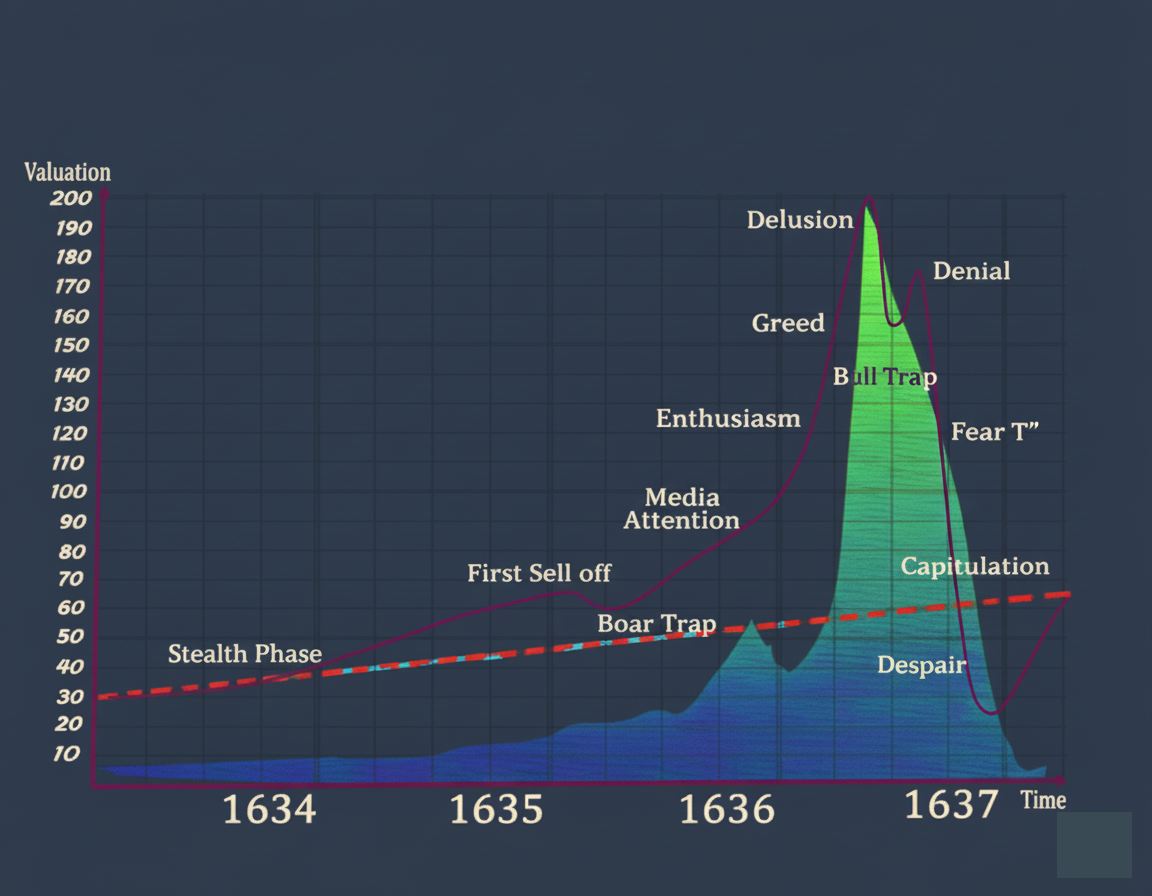
However, the market was unsustainable. The demand for tulips eventually declined, leading to a sharp drop in prices. By February 1637, tulip prices crashed, and many investors were left with worthless bulbs. The economic fallout from the Tulip Mania affected the Dutch economy, although the overall impact was less severe than later bubbles.
Key Takeaways:
- Driven by speculation and FOMO (Fear of Missing Out).
- Led to an unsustainable price surge, followed by a sharp crash.
- Caused a temporary economic disruption but did not result in a full economic collapse.
2. The South Sea Bubble (1720)
The South Sea Bubble occurred in 1720, driven by the speculative mania surrounding the South Sea Company in Britain. The company, which was established to trade with South America, was initially seen as a way for Britain to profit from overseas trade. However, the company’s stock was grossly overvalued, and the government allowed the company to trade its shares on the open market, which encouraged widespread speculation.
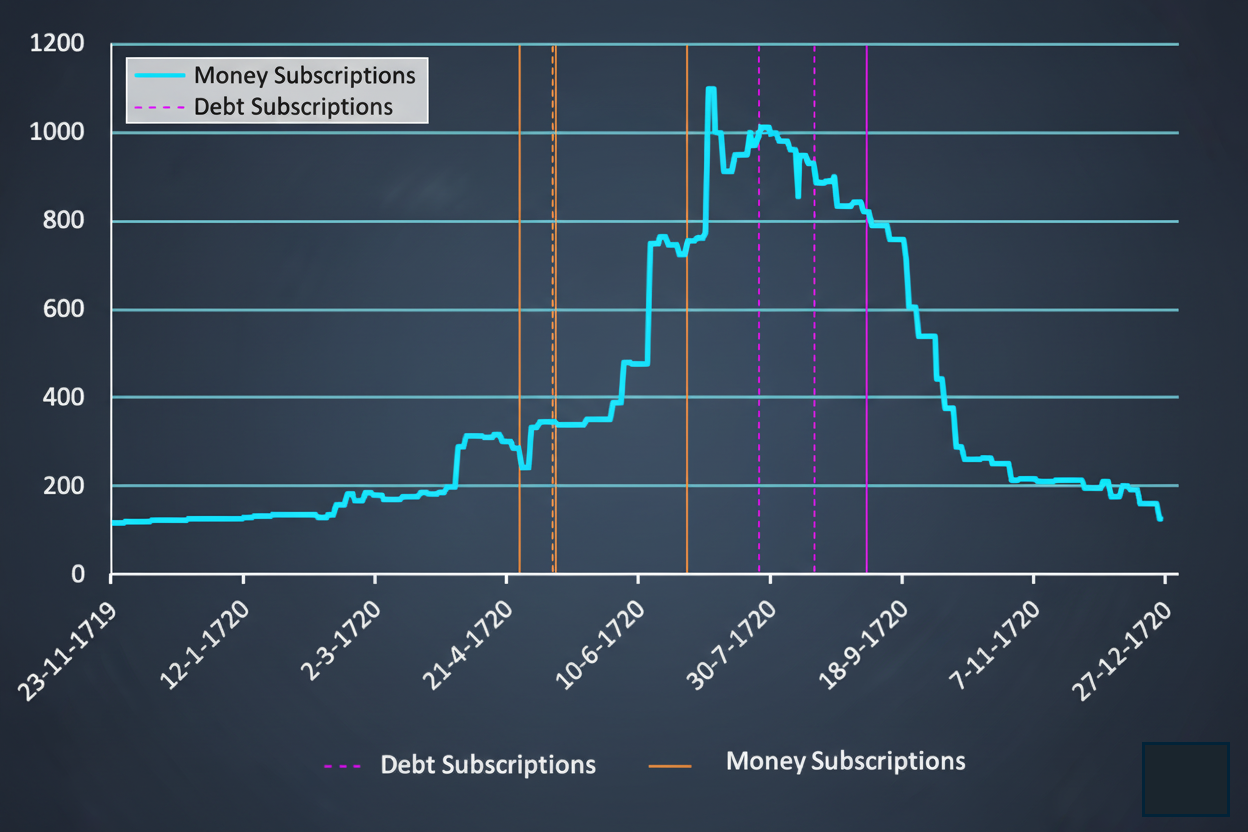
As more and more investors bought into the company, the stock price soared. In reality, the company’s business prospects were overblown, and the profits it promised were not based on any sound economic principles. When the bubble finally burst, the company’s stock price plummeted, and thousands of investors lost their money. This caused a massive financial crisis in Britain, leading to a loss of confidence in the stock market.
Key Takeaways:
- The bubble was driven by excessive speculation and overhyped promises.
- The crash led to a major financial crisis and loss of public trust.
- It highlighted the risks of investing in companies without solid fundamentals.
3. The Dot-Com Bubble (1995–2000)
The Dot-Com Bubble of the late 1990s and early 2000s represents one of the most significant speculative bubbles in modern financial history. Fueled by the rise of the internet, investors began pouring money into internet-based companies, many of which were unprofitable or had little more than a vague business plan. These companies, which were often referred to as “dot-coms,” saw their stock prices soar to unsustainable levels.
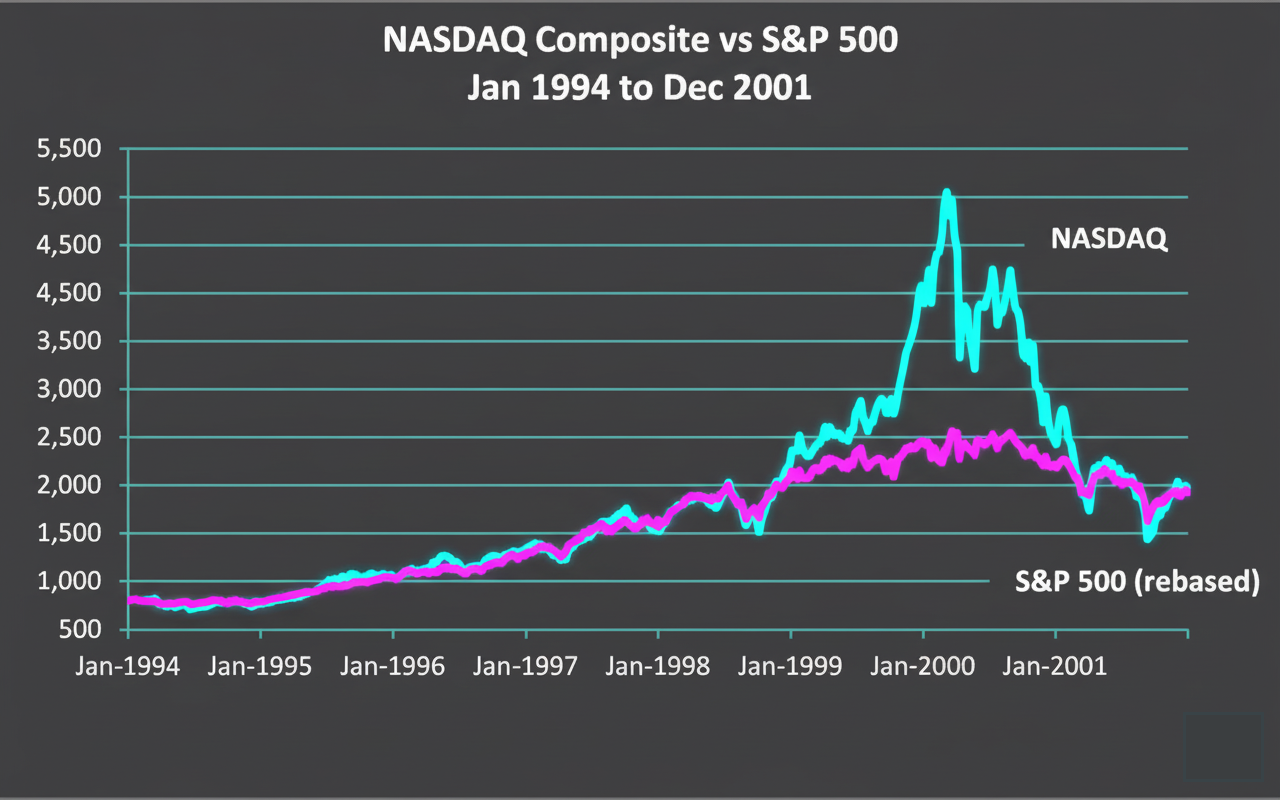
At the peak of the bubble, the NASDAQ stock exchange had risen by over 400% in just a few years, with many dot-com companies being valued in the billions despite having no clear path to profitability. The media hype around the internet and the rapid growth of technology companies contributed to the overvaluation. However, as reality set in and many dot-com companies failed to deliver on their promises, the bubble burst, and the NASDAQ lost nearly 80% of its value by 2002.
Key Takeaways:
- Fueled by excitement over the internet and technology companies.
- Prices rose based on speculation and irrational exuberance.
- The crash caused widespread economic disruption, leading to the loss of trillions of dollars in market value.
4. The U.S. Housing Bubble (2000–2007)
The U.S. housing bubble, which led to the 2008 global financial crisis, is another significant example of a financial bubble. During the early 2000s, low interest rates and a growing demand for real estate caused home prices in the U.S. to soar. Banks and other financial institutions began offering subprime mortgages to high-risk borrowers, further inflating the housing market.
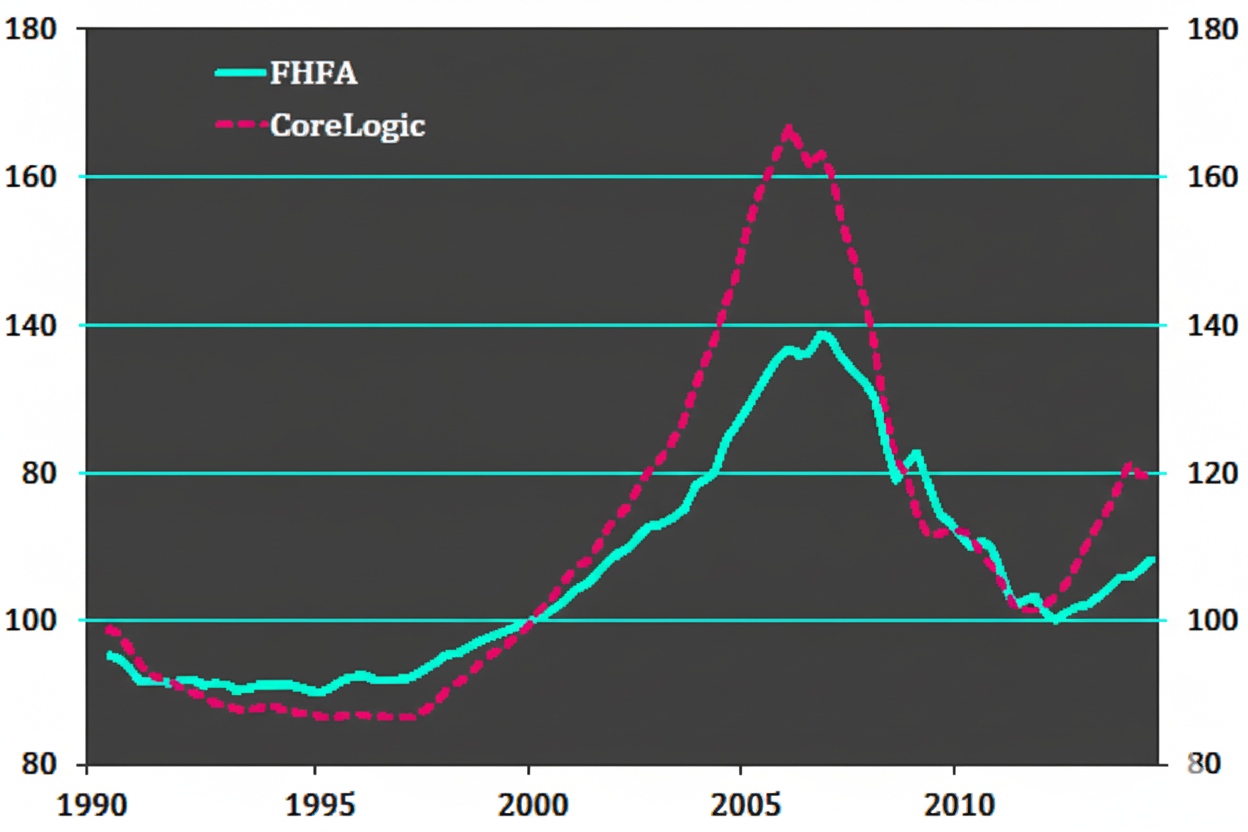
As more people took on mortgages they could not afford, home prices continued to rise. However, when home prices started to fall in 2006 and 2007, it triggered a wave of foreclosures, which led to the collapse of the housing market. The ensuing financial crisis affected global markets and caused massive economic turmoil, leading to widespread unemployment and economic hardship.
Key Takeaways:
- Driven by speculation in real estate, easy credit, and risky lending practices.
- The bubble’s collapse caused a global financial crisis.
- Led to significant regulatory changes in the housing and banking sectors.
How Crypto Bubbles Relate to Historical Examples
Crypto bubbles share many similarities with the historical examples discussed above. Like the Tulip Mania or the Dot-Com Bubble, the crypto market has seen speculative surges in asset prices, fueled by hype, FOMO, and media attention. The most notable cryptocurrency bubbles have been driven by innovation, with the rise of Bitcoin and other altcoins capturing the imagination of investors.
However, there are unique characteristics of crypto bubbles that differentiate them from traditional asset bubbles:
1. The Bitcoin Bubble (2017)
The 2017 Bitcoin bubble is a prime example of how cryptocurrency bubbles work. Bitcoin, which started the year at around $1,000, skyrocketed to nearly $20,000 by December. This surge was driven largely by media hype, institutional interest, and a rush of retail investors eager to profit from the perceived potential of Bitcoin.
As the price continued to climb, Bitcoin became a media sensation, with headlines proclaiming that it was the future of money. However, the bubble burst in early 2018, and Bitcoin’s price plummeted by over 80% by 2019. This crash wiped out billions of dollars in market value, leaving many investors holding the bag.
Key Takeaways:
- The Bitcoin bubble followed the classic speculative cycle, with rapid price increases driven by media and retail investor hype.
- The crash was inevitable as the price exceeded the underlying value of Bitcoin.
- The bubble had lasting effects on investor sentiment and regulatory actions in the crypto market.
2. The ICO Bubble (2017–2018)
The Initial Coin Offering (ICO) craze that took place from 2017 to 2018 is another example of a crypto bubble. ICOs were a way for blockchain-based projects to raise funds by selling tokens to the public. During the ICO boom, hundreds of new projects launched their own tokens, promising high returns and revolutionary technologies.
However, many of these projects were poorly conceived or outright scams, and the lack of regulation made it easy for unscrupulous actors to take advantage of naive investors. As the ICO market became saturated, many projects failed to deliver on their promises, and the bubble eventually burst, leaving a trail of losses for investors.
Key Takeaways:
- ICOs were driven by speculation and the promise of high returns, without solid projects behind them.
- The bubble burst as the market became flooded with low-quality tokens, many of which had no real use case.
- Regulatory crackdowns followed, leading to a slowdown in ICO activity.
3. The 2021 NFT Bubble
In 2021, the rise of NFTs (Non-Fungible Tokens) led to another crypto bubble, particularly in the realm of digital art and collectibles. Celebrities, artists, and investors rushed to buy and sell digital assets, often for millions of dollars. High-profile NFT sales, like those of Beeple’s artwork and the Bored Ape Yacht Club, made headlines and attracted a wave of new investors.
However, as with previous bubbles, the hype proved unsustainable. Prices for many NFTs began to fall, and the market saw a sharp correction. The NFT bubble’s collapse highlighted the risks of speculative investing in assets with little underlying utility or tangible value.
Key Takeaways:
- The NFT market was driven by speculative buying, media attention, and celebrity endorsements.
- The lack of intrinsic value for many NFTs led to a market correction.
- NFTs continue to be a volatile and speculative asset class.
Lessons from Historical and Crypto Bubbles
Understanding the dynamics of bubbles is crucial for investors, particularly in volatile markets like cryptocurrency. Here are some key lessons to consider when navigating both traditional and crypto markets:
1. Speculation Drives Price, Not Fundamentals
Bubbles are often fueled by speculation rather than the underlying value of the asset. Whether it’s Bitcoin, ICOs, or NFTs, prices often rise far beyond what the technology or product can support. For long-term success, investors should focus on projects with solid use cases and tangible value.
2. Media and Hype Play a Significant Role
Media coverage, social media, and celebrity endorsements can drive demand and inflate prices, leading to a bubble. Investors should be cautious of sensational headlines and focus on objective research rather than market hype.
3. Diversification and Risk Management Are Key
Diversification remains one of the best strategies to mitigate risk during a bubble. Spreading investments across different asset classes can help minimize the impact of a bubble burst. Additionally, investors should only invest what they can afford to lose, especially in speculative markets.
4. Regulatory Signals Matter
Government regulations often play a role in bursting bubbles. As seen with the ICO crackdown and the increasing scrutiny of crypto markets, regulatory clarity can bring stability or trigger a market correction. Investors should stay informed about regulatory developments and adapt accordingly.
Navigating Market Volatility
Bubbles, whether in traditional markets or cryptocurrencies, are inevitable in speculative environments. While they offer opportunities for significant gains, they also come with the risk of devastating losses. Understanding the historical context of bubbles, how they form, and the signs that indicate an overheated market can help investors navigate the volatile world of cryptocurrencies. By focusing on fundamentals, diversifying investments, and avoiding herd mentality, investors can better position themselves to weather the ups and downs of the crypto market.
 Stay Ahead in Crypto