English
  Nederlands
  Deutsch



What Is Project Pangea?
Key Takeaways Project Pangea is a bank-led initiative, launched June 23, 2026, that uses Chainlink and regulated euro and Korean won stablecoins to settle cross-border...

Key Takeaways Project Pangea is a bank-led initiative, launched June 23, 2026, that uses Chainlink and regulated euro and Korean won stablecoins to settle cross-border...

Key Takeaways New York’s BitLicense is held by 26 companies in 2026, but only 6 of them are crypto exchanges where the public can actually...

Key Takeaways BitChat is a decentralized messaging app that works over Bluetooth mesh networks with no internet connection, phone number, or account required. Created by...

Key Takeaways A utility token is a crypto-asset that gives access to or is spent within a specific platform or service, more like a prepaid...

A crypto bridge connects separate blockchains, letting tokens move between networks like Ethereum, Solana, and Bitcoin to unlock interoperability and DeFi.

In This Article Why cross-device access matters in crypto More than a basic wallet on more than one device Why that matters for ordinary users...

Byzantine Fault Tolerance (BFT) lets blockchains agree even when up to one-third of validators are faulty or malicious, keeping transactions secure and final.

For crypto businesses in Europe, MiCA has become more than just a legal framework — it is now a source of operational risk. Regulatory requirements...

Layer 2 chains scale blockchains like Ethereum by processing transactions off-chain. Learn how rollups, sidechains, and state channels cut fees and speed things up.
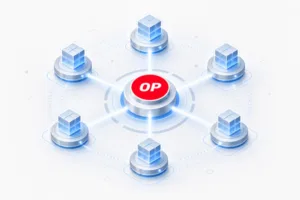
OP-based chains are Layer-2 blockchains built with the OP Stack to scale Ethereum, powering the interoperable Optimism Superchain of fast, low-cost networks.





Advertise with Blockspot.io
Get your project in front of crypto traders, investors, and builders.
Or publish a PR directly.