
Country Information
 Capital: George Town
 Continent: North America
 Language: English
 Population: 61559
 Surface (km2): 264.2
Surface (sq mi): 102
Surface (km2): 264.2
Surface (sq mi): 102Extra Information
 Currency: Cayman Islands dollar (KYD)
 ISO Code: KY
 Domain Extension: .ky
 Calling Code: +1-344
 Time (CET): UTC-05:00
Time (CEST): UTC-05:00
Time (CET): UTC-05:00
Time (CEST): UTC-05:00Website
 Official Website: Gov.ky
 Info Website: Visitcaymanislands.com
Extra Links
Social Media & News
 Coins: 66
 Exchanges: 21
 Wallets: 2
 Companies: 2
 Total: 91
Ranking
 Overall Rank: 24
 Rank Per Capita: 5
Blockchain Overview
Category:
| Name | Category |
|---|
Frequently Asked Questions
Description
Disclaimer: The regulatory information provided below is for general informational purposes only and may not reflect the most current legal developments. Cryptocurrency regulations are rapidly evolving and can change frequently. This information should not be considered legal or tax advice. Before making any business or investment decisions, please consult with qualified legal, tax, or financial professionals familiar with your specific jurisdiction and circumstances. Always verify current regulations with official government sources and regulatory bodies.
Legal Classification & Regulatory Framework
Cryptocurrency Status
The Cayman Islands has established itself as one of the world’s leading jurisdictions for cryptocurrency and blockchain businesses through comprehensive legislation that provides regulatory clarity while maintaining a business-friendly environment. The cornerstone of this framework is the Virtual Asset (Service Providers) Act, commonly known as the VASP Act, which was introduced to align with international standards set by the Financial Action Task Force (FATF).
Under this legislation, virtual assets are defined as digital representations of value that can be digitally traded or transferred and can be used for payment or investment purposes. Importantly, this definition excludes digital representations of fiat currencies and virtual service tokens, which are non-transferable tokens whose sole function is to provide access to an application or service. Non-fungible tokens (NFTs) generally fall outside the regulatory scope unless they are specifically used for payment or investment purposes.
The Cayman Islands takes a permissive approach to cryptocurrency ownership and use. Virtual assets themselves are not regulated, and individuals or entities trading or investing in cryptocurrencies for their own account are generally not subject to specific regulation. The regulatory framework focuses primarily on businesses that provide virtual asset services to others, rather than on the assets themselves or personal usage.
Tax Treatment
The Cayman Islands maintains a tax-neutral regime that has made it particularly attractive for cryptocurrency businesses and investors. There is no corporate income tax, no personal income tax, no capital gains tax, no withholding tax, and no value-added tax (VAT) or sales tax in the jurisdiction. This applies equally to traditional financial activities and cryptocurrency-related transactions.
For individuals and businesses operating from the Cayman Islands, cryptocurrency holdings, trading profits, mining income, and staking rewards are not subject to local taxation. The jurisdiction generates revenue through other means, including tourism, work permits, and government service fees, rather than direct taxation of income or capital gains.
However, individuals and businesses should be aware that their tax obligations in their country of citizenship, residency, or prior residency may still apply. The Cayman Islands participates in international tax information exchange agreements, including the Common Reporting Standard (CRS) and FATCA, which require certain financial institutions to report account information to relevant tax authorities.
Regulatory Oversight
The Cayman Islands Monetary Authority (CIMA) serves as the primary regulator for cryptocurrency and virtual asset activities in the jurisdiction. CIMA is responsible for the registration, licensing, supervision, and enforcement of Virtual Asset Service Providers (VASPs). A dedicated VASP and Fintech Innovation Unit within CIMA handles the oversight of this sector specifically.
Under the VASP Act, entities providing virtual asset services as a business must either register with CIMA or obtain a licence, depending on the nature of their activities. Virtual asset services subject to regulation include exchange services between virtual assets and fiat currencies, exchange between different forms of virtual assets, transfer of virtual assets, custodial services for virtual assets, and participation in or provision of financial services related to virtual asset issuance.
Higher-risk activities such as operating a virtual asset trading platform or providing custodial services require a full VASP licence, while other virtual asset services may only require registration. The framework also provides for sandbox licences intended for providers of innovative virtual asset services who wish to test new technologies or delivery methods under regulatory supervision.
Business Environment
Banking Relationships
The Cayman Islands financial ecosystem generally supports cryptocurrency businesses, though banking relationships can require careful navigation. Licensed and registered VASPs benefit from operating within a recognized regulatory framework, which lends credibility when engaging with banks and other financial institutions. Major international banks maintain a presence in the jurisdiction, and the established regulatory framework helps legitimize crypto-related businesses in the eyes of traditional financial institutions.
Cryptocurrency investment funds registered with CIMA can access banking services for receiving investor subscriptions and managing operations. However, some international correspondent banking arrangements and stringent anti-money laundering compliance requirements mean that banks may exercise heightened due diligence for cryptocurrency-related accounts. Businesses should expect comprehensive know-your-customer (KYC) and source-of-funds verification processes when establishing banking relationships.
CIMA permits funds to accept subscriptions in cryptocurrencies, provided that administrators can conduct appropriate AML due diligence, including verification of the source of wealth. This flexibility demonstrates the jurisdiction’s pragmatic approach to integrating cryptocurrency activities within the traditional financial system.
Licensing Requirements
The VASP Act establishes a tiered regulatory framework based on the type of virtual asset service being provided. All VASPs must be legal entities incorporated or registered in the Cayman Islands; natural persons cannot carry on virtual asset services as a business. The framework distinguishes between activities that require registration and those that require full licensing.
Virtual asset trading platforms and custodial service providers must obtain a VASP licence from CIMA, which involves more comprehensive requirements, including having at least three directors, demonstrating adequate capital resources, maintaining segregation of client assets, and meeting enhanced governance standards. Other virtual asset services may proceed with CIMA registration, which carries a lighter regulatory burden while still ensuring compliance with core requirements.
All VASPs must comply with anti-money laundering and counter-terrorism financing regulations, appoint designated AML compliance officers, implement robust customer due diligence procedures, and maintain appropriate record-keeping. VASPs are also subject to the Beneficial Ownership Transparency Act and must maintain beneficial ownership registers.
For investment funds pursuing cryptocurrency strategies, the Mutual Funds Act governs open-ended fund structures while the Private Funds Act applies to closed-ended vehicles. Both fund types require registration with CIMA and must adhere to a comprehensive compliance framework, including the appointment of Cayman Islands-based auditors and compliance with NAV calculation rules.
Innovation Support
The Cayman Islands Government has actively promoted the development of blockchain and fintech businesses through several initiatives. The Cayman Enterprise City (CEC) Special Economic Zone provides a dedicated technology hub where blockchain and fintech companies can establish physical operations with numerous advantages, including streamlined work permit processes, concessions on local trade licences, and the ability to become operational within weeks.
Cayman Tech City, a subdivision within CEC, focuses specifically on fintech, crypto, and blockchain companies. Companies based there benefit from the jurisdiction’s tax-neutral status, strong intellectual property protections, and access to a sophisticated network of professional services providers, including major international law firms and accounting firms. Major cryptocurrency exchanges and blockchain companies have established a presence in this space.
The VASP Act includes provisions for sandbox licences, providing a controlled environment for innovative fintech businesses to test new products and services under CIMA supervision. This approach allows regulators to understand emerging technologies better while enabling businesses to develop without immediately facing full regulatory requirements. Sandbox licences are temporary and typically available for up to one year.
Additionally, Tech Cayman offers an alternative pathway for technology companies that may not qualify for CEC or prefer different arrangements, ensuring multiple options exist for businesses entering the jurisdiction. Industry bodies such as Cayman Finance and the Blockchain Association of the Cayman Islands actively promote blockchain adoption and facilitate collaboration between industry participants, regulators, and government.
Market Characteristics
Adoption Patterns
The Cayman Islands has seen significant growth in cryptocurrency-related business activity, particularly in the investment fund sector. The jurisdiction hosts a substantial share of global cryptocurrency fund structures, with segregated portfolio companies particularly popular for crypto funds due to their flexibility in separating assets and liabilities across distinct portfolios.
Major cryptocurrency exchanges, including Coinbase and Binance, have secured licences in the Cayman Islands, leveraging the jurisdiction’s regulatory credibility and established financial infrastructure. According to regulatory data, virtual asset trading platforms account for a significant share of registered VAS and process substantial daily transaction volumes.
The institutional nature of the Cayman Islands’ financial services industry means that adoption patterns are primarily driven by sophisticated investors and businesses rather than retail consumers. Cryptocurrency investment funds, both open-ended trading strategies and closed-ended venture capital approaches, have become an established segment of the alternative investment landscape.
Industry Focus
The Cayman Islands has developed particular strengths in several cryptocurrency and blockchain niches. Investment fund structures represent the most prominent segment, with the jurisdiction serving as the preferred domicile for cryptocurrency hedge funds, venture capital funds focused on blockchain projects, and hybrid structures combining liquid and illiquid strategies.
Foundation companies have emerged as a popular vehicle for decentralized autonomous organizations (DAOs) and other Web3 ventures requiring flexible governance structures with separate legal personality. The jurisdiction’s foundation company legislation provides a unique hybrid between company and trust structures that suits the decentralized nature of many blockchain projects.
Tokenization of real-world assets, decentralized finance protocols, cryptocurrency lending platforms, and blockchain infrastructure projects all find representation in the Cayman Islands business community. The jurisdiction also hosts specialized service providers offering web3 accounting, marketing, compliance, and token launch support.
The focus on institutional-grade operations means businesses operating from the Cayman Islands typically emphasize regulatory compliance, professional governance, and sophisticated risk management. This positions the jurisdiction as a premium destination for serious blockchain ventures rather than speculative or unregulated activities.
Regulatory Evolution
The VASP Act framework has been implemented in phases to allow for measured development of the regulatory regime. The first phase established registration requirements and anti-money laundering obligations; subsequent phases introduced licensing requirements, enhanced governance standards, and additional compliance obligations.
CIMA continues to develop the regulatory framework through amendments addressing issues such as director requirements, senior officer approval criteria, fee structures, and audit obligations. The regulatory approach emphasizes enabling innovation while maintaining the jurisdiction’s commitment to international compliance standards and financial integrity.
Future regulatory developments are anticipated to include a formal regulatory sandbox for broader fintech experimentation, rules for tokenized investment funds, and potentially a regime for public token offerings. The Cayman Islands courts have also begun addressing cryptocurrency matters, particularly in insolvency proceedings, confirming the jurisdiction’s willingness to apply established legal principles to digital asset cases.
As a British Overseas Territory, the Cayman Islands maintains strong connections to the United Kingdom legal system while operating independently of European Union regulations such as MiCA. The jurisdiction focuses on alignment with FATF international standards rather than on specific regional frameworks, positioning itself as a globally oriented hub for cryptocurrency and blockchain businesses.
For Current Information:
- Cayman Islands Monetary Authority (CIMA) – Primary financial services regulator
- Cayman Islands Government – Official government portal
- Cayman Enterprise City – Special Economic Zone for technology companies
- Cayman Islands Legislation – Official repository of laws and regulations
Country Map
Crypto News



Blockchain Companies



Other Countries





Crypto and Blockchain Articles
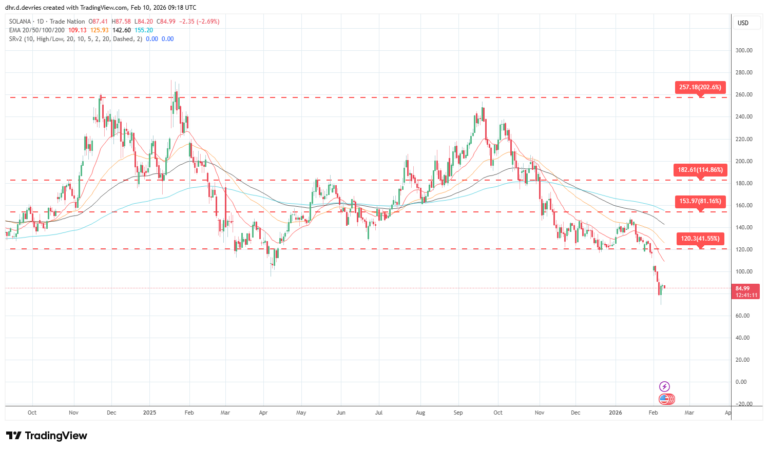
Solana (SOL) Price Prediction: Weekly Analysis February 10, 2026

Why You Should Accept Bitcoin Payments: Pros and Cons

INVESTING YACHTS Launches RWA Yacht Charter Model



Xgram.io Launches Private ETH to XMR Swaps

Solana (SOL) Price Prediction: Weekly Analysis February 10, 2026
Press Releases and Contributions