 English
  Nederlands
  Deutsch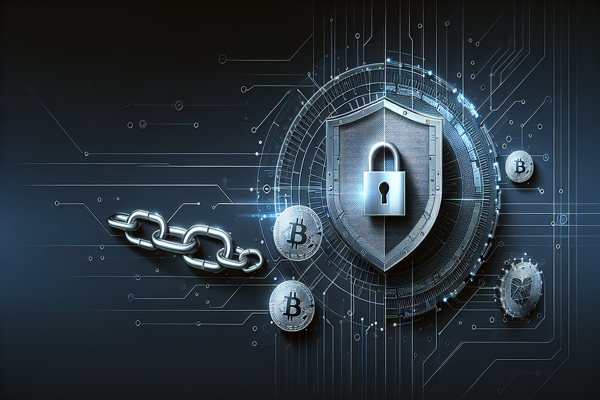
In This Article
Privacy in crypto is often misunderstood. Some people hear the word and assume it means secrecy for its own sake. In reality, it usually means something much simpler: reducing unnecessary exposure.
That matters because the modern internet runs on collection. Platforms ask for names, addresses, documents, phone numbers, selfies, and payment details, often long before they have earned a user’s trust. In crypto, that trend creates a strange contradiction. A technology built around control, ownership, and direct access increasingly pushes people toward the same data-heavy processes they were trying to move beyond.
Privacy is a big deal when it comes to crypto exchanges and related services. They’re not just about making things easy for users, but also about keeping them safe. By using these services, people can reduce the risk of their personal info getting out, and keep their online transactions private. It’s all about giving people control over their own info and letting them interact online without worrying about who’s watching.
The Real Cost of Over-Collection
When it comes to security, people usually focus on things like passwords, two-factor authentication, and how they store their wallets. And yeah, those things are important. But there’s another part of the equation that’s just as crucial: personal data. Think about it, your personal info is like a vulnerability that can be exploited, making it a key part of the attack surface that needs to be protected.
When a platform gathers personal info like IDs, billing details, and account data, it becomes a valuable asset that needs to be stored, used, shared, and protected. Even if the company means well, having all this sensitive data in one place makes it a clear target for attacks. The more info that’s collected, the more there is at risk of being lost or compromised.
When you use online services, you’re not just putting one account at risk. Your personal identity information can be shared, stolen, or sold. For example, when you upload your passport to verify a trading profile, it’s not just about proving who you are. It creates a permanent link between you and your financial activities, the devices you use, and how you behave on the platform. This connection can have long-term consequences, making it easier for others to access your sensitive information.
Why This Matters Beyond Trading
This issue does not stop at exchanges. It also applies to the wider ecosystem around digital assets, including VPNs, hosting providers, domain services, communications tools, and infrastructure platforms.
Using a VPN is not as helpful if you have to give a lot of personal information when you sign up. The company should not keep a lot of records about your account. The same problem can happen with hosting. Even if a server company lets you pay with cryptocurrency, it’s not really private if they store a lot of information about your bills, support requests, and other details that can identify you. This means you’re still leaving a lot of tracks behind, which defeats the purpose of trying to be private.
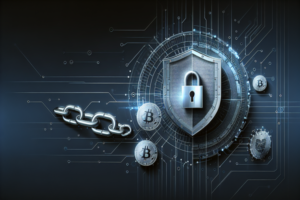
Think of privacy like a chain – it’s only as strong as its weakest link. If one part of that chain collects more information than it needs, the whole thing becomes less secure.
Privacy Is Also About Resilience
There is another reason these tools matter: resilience.
People shouldn’t have to jump through hoops to do simple things online. Just because you want to trade one thing for another, pay for a private internet connection, or set up a basic website, doesn’t mean you should have to fill out a bunch of paperwork and wait around. For a lot of people, being able to use these services without a lot of hassle is not just convenient, it’s necessary. If it’s too hard, they might not be able to use them at all.
When people use services that focus on privacy, they can reduce their need for big systems that control everything. If a service lets users make transactions directly, keep control of their own wallets, and doesn’t make them create an account unless necessary, it gets rid of some common problems. This way, less data is stored, there’s less friction when getting approvals, and often, people don’t have to rely on just one central operator. This makes things more secure and gives users more freedom.
What Users Should Actually Look For
When it comes to a service being privacy-friendly, it’s not just about what they say on their website. Using words like “anonymous”, “private”, and “secure” is easy, but what really matters is how they actually handle things behind the scenes.
When it comes to choosing a crypto exchange, it’s not just about picking the one with the catchiest slogan. A smarter approach is to compare platforms side by side, looking at the nitty-gritty details of how they differ. This means examining things like signup requirements, how much of your data is exposed, and what the day-to-day experience of using the platform is like. For those doing their due diligence, a directory of crypto exchanges without kyc can be a valuable resource. By taking the time to review and compare these platforms, you can make a more informed decision about which one is right for you.
This can be a good place to start, especially when categories that focus on privacy go beyond just swaps and include services like virtual private networks and web hosting.
When used in this way, a directory doesn’t replace doing your own research. Instead, it helps you figure out what questions to ask in the first place, making your search more focused.
Privacy Is Not the Opposite of Trust
A common myth is that collecting less data means being less accountable. But the truth is, trust should come from being reliable, transparent, and providing good service. It’s also about having a track record of respecting users’ privacy. A company shouldn’t need to collect a lot of personal information to prove itself. Instead, it should focus on being trustworthy and consistent in its actions. This way, users can feel safe and confident when using a service, without having to give up too much of their personal data.
A good service should be clear about what information it gathers, the reason it needs that information, and how long it holds onto it. Ideally, it should be able to work with much less of that information to begin with. This way, users can feel more secure and in control of their personal data.
The Bigger Picture
Privacy in crypto is not a fringe concern. It is part of digital self-defense.
When using online services, people shouldn’t have to give up too much personal info just to trade assets, keep their connection safe, or manage their online setup. Decent services get that. The best ones actually design their whole system around it, making sure users can stay private and secure.
As the industry becomes more established, people will probably be more careful about who they share their documents, payment history, and personal information with. This change would be a good thing. It would motivate companies to compete with each other not just on price and what they offer, but also on how well they respect people’s privacy and boundaries.
 Stay Ahead in Crypto