Country Information

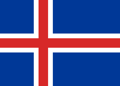
Address icon Capital: Reykjavík
Continent icon Continent: Europe
Language icon Language: Icelandic
Population icon Population: 331 310
Surface icon Surface (km2): 103 000
Surface icon Surface (sq mi): 39 769

Extra Information

Currency icon Currency: Icelandic króna kr (ISK)
ISO Code icon ISO Code: IS
Domain Extension icon Domain Extension: .is
Phone icon Calling Code: +354
Clock icon Time (CET): UTC+00:00
Clock icon Time (CEST): UTC+00:00

Website

Website icon Official Website: Statice.is
Website icon Info Website: Iceland.is

Extra Links

Website icon Company Registry: Firmaskra.is

Social Media & News

Coin icon Coins: 5
Exchange icon Exchanges: 2
Total icon Total: 7

Ranking

Overall Rank icon Overall Rank: 83
Rank Per Capita icon Rank Per Capita: 29

Blockchain Overview

Category:
NameCategory

Frequently Asked Questions

There are 5 coins based in Iceland.
There are 2 exchanges based in Iceland.
There are 0 wallets based in Iceland.
There are 7 blockchain entities in Iceland.
Iceland ranks 83 based on the total of blockchain entities based there.
Based on the total of blockchain entities Iceland ranks 29 per capita.
In Iceland the people speak: Icelandic
The currency used in Iceland is Icelandic króna kr (ISK).
The capital of Iceland is Reykjavík.
Iceland is located in Europe.
The population of Iceland is around 331 310.
Iceland has a time zone between UTC+00:00 and UTC+00:00.
The 2-letter ISO code of Iceland is is.
Iceland has uses the domain extension .is.
The calling code number of Iceland is +354.
You can find the company registry under the section extra links on this page.

Description

Disclaimer: The regulatory information provided below is for general informational purposes only and may not reflect the most current legal developments. Cryptocurrency regulations are rapidly evolving and can change frequently. This information should not be considered legal or tax advice. Before making any business or investment decisions, please consult with qualified legal, tax, or financial professionals familiar with your specific jurisdiction and circumstances. Always verify current regulations with official government sources and regulatory bodies.

Legal Classification & Regulatory Framework

Cryptocurrency Status

Iceland does not recognize cryptocurrencies as legal tender, and the Icelandic króna (ISK) remains the sole official currency of the country. Instead, digital assets such as Bitcoin and other cryptocurrencies are classified as taxable assets under Iceland’s general tax law framework. The country has not enacted specific cryptocurrency legislation but has integrated digital assets into existing financial and tax regulations.

As a member of the European Economic Area (EEA), Iceland’s regulatory approach increasingly aligns with European Union standards. The Markets in Crypto-Assets Regulation (MiCA), which came into full effect across the EU, also applies to Iceland through the EEA agreement. This regulatory alignment provides a harmonized framework for crypto-asset service providers operating within the broader European market.

While cryptocurrency transactions are permitted, Iceland previously maintained strict capital controls following its financial crisis, which indirectly affected cross-border cryptocurrency transactions. These controls have since been significantly relaxed, allowing for more open cryptocurrency trading and international transfers, though some notification requirements remain for certain foreign exchange transactions.

Tax Treatment

Iceland’s approach to cryptocurrency taxation falls under the general provisions of the Income Tax Act, which broadly defines “income” as any form of gain that can be monetarily assessed. The Icelandic Revenue and Customs (Skatturinn) treats cryptocurrency assets as taxable property, and taxpayers are obligated to report their digital asset holdings and transactions.

For individuals, capital gains derived from cryptocurrency transactions are taxed at a flat rate of 22%. This applies to profits realized from selling, exchanging, or otherwise disposing of digital assets. The tax treatment distinguishes between personal non-commercial transactions (subject to capital gains tax) and commercial trading activities (treated as business income with different tax rates).

Corporate entities face a standard corporate income tax rate of 20% on cryptocurrency-related profits. Mining income is categorized as business income and taxed at standard income tax rates applicable to the entity type. Other business structures such as partnerships and cooperatives may face a higher rate of 37.6%.

The calculation of capital gains follows the formula: Transfer Value minus Acquisition Cost minus Deductible Expenses. Notably, Iceland permits loss offsetting within the same cryptocurrency type (for example, Bitcoin losses can offset Bitcoin gains), but cross-cryptocurrency loss offsetting is not allowed. Losses resulting from lost private keys or wallet theft are not considered deductible. Taxpayers must maintain detailed records of all cryptocurrency transactions for a minimum of seven years.

Regulatory Oversight

The Central Bank of Iceland (Seðlabanki Íslands) serves as the primary regulatory authority for financial services, including cryptocurrency-related activities. Following a significant restructuring in 2020, the previously independent Financial Supervisory Authority (Fjármálaeftirlitið, or FME) was merged into the Central Bank, consolidating financial supervision under a single institution.

Virtual Asset Service Providers (VASPs) operating in Iceland must register with the Central Bank under Rules No. 151/2023 and 152/2023. These regulations require cryptocurrency exchanges, wallet providers, and other service providers to comply with anti-money laundering (AML), know-your-customer (KYC), and counter-terrorist financing (CTF) requirements. Registered entities must conduct thorough customer due diligence and report suspicious transactions in accordance with international standards.

The Ministry of Finance and Economic Affairs plays a role in shaping the broader legislative framework, while the Financial Supervision Committee within the Central Bank oversees decisions related to financial institutions and service providers. Iceland’s regulatory approach emphasizes consumer protection awareness, with authorities regularly issuing guidance cautioning consumers about the risks associated with cryptocurrency investments.

Business Environment

Banking Relationships

Iceland’s traditional banking sector maintains a relatively cooperative stance toward cryptocurrency businesses, particularly compared to some other jurisdictions. The country’s three major commercial banks—Landsbankinn, Íslandsbanki, and Arion Bank—have adapted to the evolving fintech landscape, with some offering digital banking solutions that can accommodate cryptocurrency-related business activities.

However, cryptocurrency businesses may still encounter challenges in establishing banking relationships, as financial institutions maintain their own risk assessment criteria for crypto-related clients. The Central Bank has acknowledged that cryptocurrency activities carry risks that consumers must be aware of, and this cautious regulatory stance influences how traditional banks approach crypto business accounts.

Iceland has notably produced successful examples of blockchain-finance integration. Monerium, a Reykjavik-based company, became the first European firm to receive authorization to issue electronic money on blockchain networks, enabling seamless transfers between traditional bank accounts and blockchain wallets throughout the EEA. This milestone demonstrates Iceland’s capacity to support innovative financial services that bridge conventional and decentralized systems.

Licensing Requirements

Cryptocurrency exchanges, wallet providers, and other virtual asset service providers must register with the Central Bank of Iceland to operate legally within the country. The registration process requires demonstrating compliance with AML/CFT obligations, maintaining adequate governance structures, and implementing appropriate risk management systems.

Under the MiCA framework now applicable in Iceland through the EEA agreement, crypto-asset service providers (CASPs) face additional authorization requirements. These include maintaining minimum capital requirements, implementing robust operational procedures, and ensuring that management personnel possess adequate skills and professional experience. The transitional period allows previously registered VASPs to continue operations while applying for full MiCA-compliant authorization.

For electronic money issuers operating on blockchain technology, Iceland applies the European e-money framework, requiring authorization as an electronic money institution. This regulatory pathway has enabled companies like Monerium to issue fiat-backed tokens that comply with established European financial regulations while utilizing distributed ledger technology.

Innovation Support

Iceland has cultivated a supportive environment for fintech and blockchain innovation, partly driven by necessity as a small nation with its own currency and financial infrastructure. The Iceland Fintech Cluster, headquartered in the Gróska Innovation Hub in Reykjavík, brings together startups, established financial institutions, and international partners to foster collaborative development.

The Central Bank operates a FinTech Help facility to support businesses and individuals navigating compliance requirements and regulatory questions. This service provides guidance for innovative financial services companies seeking to understand their regulatory obligations and pathways to market entry.

Iceland’s unique natural resources have contributed to its prominence in blockchain infrastructure. The country’s abundance of renewable geothermal and hydroelectric energy, combined with its naturally cool climate, made it an attractive location for cryptocurrency mining operations. However, recent government initiatives have sought to manage energy consumption by mining operations, including power allocation caps and seasonal restrictions to protect grid stability during peak demand periods.

The Central Bank has explored the concept of a central bank digital currency (CBDC), referred to as the “rafkróna.” However, this initiative remains at the research stage without a defined pilot program or launch timeline. The Bank views CBDCs as a potential alternative to traditional payment systems and continues to monitor international developments in this area.

Market Characteristics

Adoption Patterns

Cryptocurrency adoption in Iceland reflects the country’s technologically sophisticated population and high internet connectivity rates. While precise adoption figures fluctuate, the Icelandic market has shown consistent interest in digital assets, particularly Bitcoin, as both an investment vehicle and a means of portfolio diversification.

Retail adoption for everyday payments remains relatively limited, as is common across most jurisdictions. However, niche markets and online platforms do accept cryptocurrency payments, and the country’s established fintech ecosystem supports various digital asset use cases. The presence of locally developed solutions like Monerium’s blockchain-based payment infrastructure may facilitate broader adoption as these services mature.

Institutional adoption has been evident primarily through the cryptocurrency mining sector, with significant investment from international companies attracted by Iceland’s energy resources and stable business environment. The country has also seen development in blockchain-related services beyond mining, including AML technology companies that leverage artificial intelligence for financial crime prevention.

Industry Focus

Iceland has historically been recognized as a global hub for cryptocurrency mining, ranking among the top countries worldwide for mining operations. The combination of nearly 100% renewable energy from geothermal and hydroelectric sources, competitive electricity prices, and natural cooling conditions created ideal conditions for energy-intensive mining activities.

However, the industry landscape is evolving. Government concerns about grid stability and energy allocation have led to restrictions on mining operations, including capacity caps and incentives for more efficient hardware. As a result, some mining capacity is being repurposed or co-located with artificial intelligence and data center workloads, indicating a broader shift in Iceland’s digital infrastructure sector.

Beyond mining, Iceland has developed strengths in blockchain-enabled financial services and Web3 technology. The country hosts several startups working at the intersection of decentralized finance, gaming, and NFT marketplaces. Companies specializing in AML compliance technology have also emerged, positioning Iceland as a center for regulatory technology innovation.

Educational institutions in Iceland offer advanced courses in blockchain technology and cryptocurrency, supporting the development of local expertise and contributing to the broader fintech ecosystem’s growth.

Regulatory Evolution

Iceland’s regulatory approach to cryptocurrency has evolved from an initial period of limited oversight to increasing integration with European frameworks. The country’s EEA membership ensures alignment with major EU financial regulations while allowing some flexibility in implementation.

The application of MiCA represents a significant development in Iceland’s crypto regulatory landscape, providing comprehensive rules for crypto-asset issuers and service providers. This framework offers regulatory clarity that may benefit compliant businesses while establishing consumer protections and market integrity standards consistent with those across the European Economic Area.

The Digital Operational Resilience Act (DORA), which sets requirements for digital resilience in financial institutions including fintech firms, is also being implemented in Iceland through the EEA framework. These regulations collectively create a robust compliance environment that aligns with international standards.

Looking ahead, Iceland’s regulatory trajectory suggests continued emphasis on balancing innovation support with consumer protection and financial stability. The ongoing management of cryptocurrency mining’s energy consumption indicates a willingness to implement sector-specific policies where broader economic or environmental considerations warrant intervention. The regulatory environment appears positioned to accommodate continued growth in blockchain and crypto-related services while maintaining appropriate oversight mechanisms.


For Current Information:

Country Map

Blockchain Companies

Other Countries

geel200x200-1.png

Stay in the loop. Subscribe for blockchain market updates.

Subscribe for updates.

Get crypto news and the latest updates about our platform straight to your inbox.

Advertise

Are you looking to advertise? We offer press release publications, display banners, featured listings and more.

Contact us for questions, submit a PR or request our media kit.