

A short squeeze is a sudden and sharp increase in the price of an asset, caused not by organic demand alone, but by traders who bet against it being forced to buy it back quickly to avoid growing losses. In cryptocurrency markets, short squeezes can cause extreme price movements, sometimes within minutes, due to high leverage and fast-paced trading.
In simpler terms, when too many people are betting a coin’s price will fall (known as shorting), and instead, the price starts rising, they are forced to exit their trades by buying back the coin. This urgent buying pushes the price even higher, triggering more exits, creating a feedback loop of rising prices. This is the squeeze.
How Short Selling Sets Up a Squeeze
Before understanding a squeeze, it’s important to know how short selling works:
- Traders borrow an asset (like BTC or ETH) and sell it immediately.
- They hope the price drops so they can buy it back cheaper later.
- The difference is their profit, but only if the price goes down.
- If the price rises, they begin to lose money and may be forced to buy back the asset at a higher price.
- This forced buying is what fuels a short squeeze.
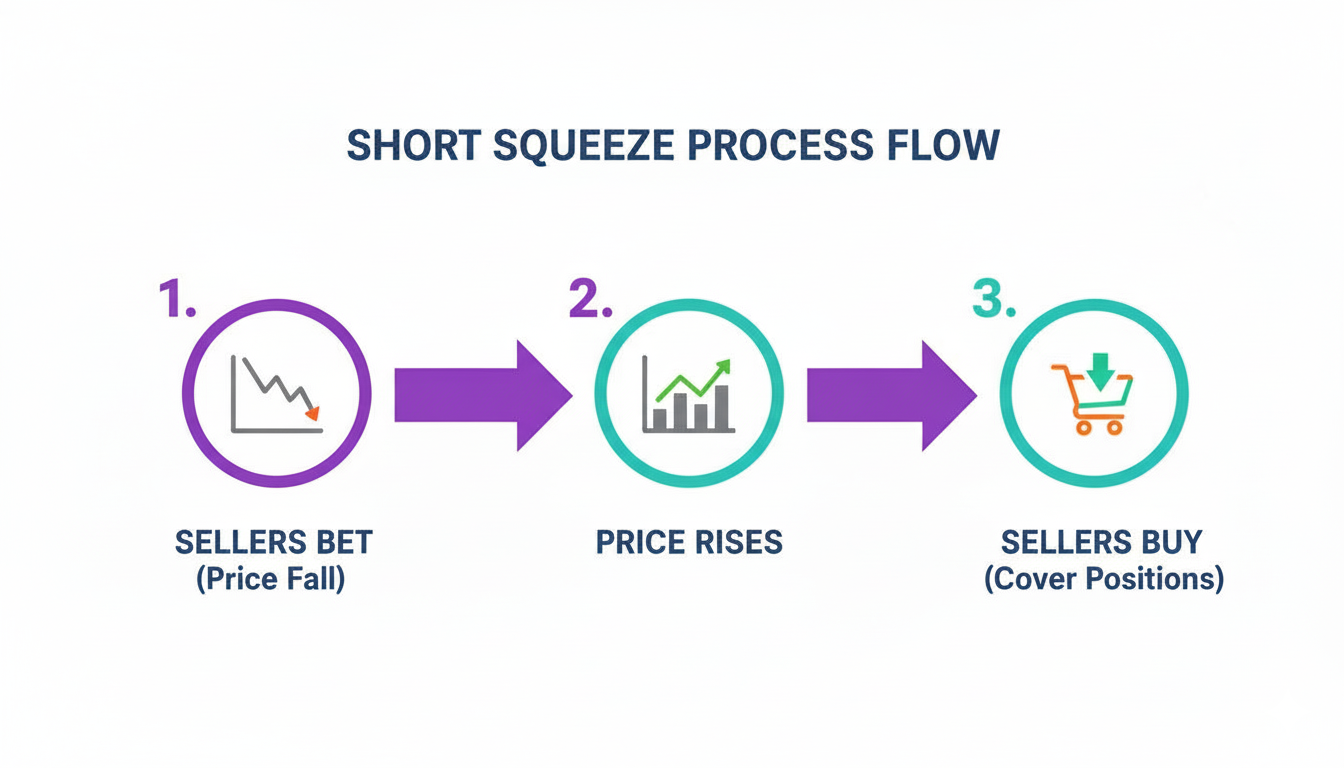
In cryptocurrency, short selling often occurs through derivatives like perpetual futures, which enable traders to utilize leverage. When the price moves up fast, liquidations occur, automated closures of short positions due to insufficient margin, creating huge buy orders that can spike the price.
Key Ingredients That Create a Crypto Short Squeeze
Several conditions make short squeezes more likely in crypto:
- High short interest: Many traders are betting against the asset.
- Leverage exposure: Most short positions in crypto are leveraged, amplifying liquidations.
- Low liquidity: Fewer sellers available means even small buy orders can move the price.
- Sudden catalyst: News, listings, whale buys, or even social media hype.
- Thin order books: Common in altcoins, allowing rapid price surges with little capital.
Historical Short Squeeze Examples
1. Bitcoin – June 2020 (BitMEX)
In June 2020, Bitcoin spiked sharply as $133 million in short positions were liquidated on BitMEX in a single session. The price rally forced mass buybacks, pushing BTC higher in minutes.
3. CEL Token – July 2022
Despite the Celsius Network filing for bankruptcy, the CEL token surged from under $1 to over $4 within weeks. A community-led “#CelShortSqueeze” on Twitter coordinated buys to liquidate short positions, leading to rapid price gains.
4. Altcoin Rallies – April 2025
During market-wide rallies, analysts recorded over $300 million in short liquidations across altcoins like SOL, AVAX, and ADA. The squeezes extended the rallies far beyond typical technical levels.
5. Volkswagen (2008)
In one of the most iconic short squeezes, VW’s stock surged above €1,000 when Porsche’s stake revealed a scarcity of tradable shares. The stock briefly became the most valuable company by market cap.
7. Herbalife vs. Bill Ackman (2012–2018)
Investor Bill Ackman shorted Herbalife with a $1 billion position, expecting it to collapse. It didn’t. Instead, he eventually closed the trade with major losses after years of being squeezed by strong opposing forces and rising stock prices.
What Makes Short Squeezes Risky
Short squeezes often look exciting because of their explosive price movement. But they are extremely risky, especially in crypto, due to:
- High volatility: Prices can reverse just as fast as they rose.
- Leverage danger: Even a small price move can wipe out over-leveraged traders.
- False signals: Not all price pumps are real trend reversals; some are temporary.
While a squeeze can benefit holders or early buyers, traders trying to chase the rally often enter too late and suffer losses when the price cools down.
How to Spot a Possible Short Squeeze
Experienced traders look for signs that a short squeeze may happen:
- Unusually high short interest or funding rates.
- A sudden bullish move after a long downtrend.
- Increasing liquidation data on platforms like Coinglass or CryptoQuant.
- Activity from large accounts (“whales”) buying in bulk.
- Trending hashtags or pump coordination attempts on social media.
Should You Trade Short Squeezes?
For most traders, it’s best to observe rather than chase short squeezes. While they offer potential gains, timing them is difficult, and entering late can be costly.
However, if you’re already holding the asset being squeezed, this may be a good time to take a profit. Short squeezes are often not sustainable long-term unless supported by real fundamentals.
Market Pressure Cycle
A short squeeze in crypto occurs when short sellers are forced to buy back their positions due to rising prices, causing further upward momentum. It’s a self-reinforcing cycle driven by margin liquidations, social hype, or sudden bullish catalysts. While some traders profit massively from these moves, others, especially shorts or late buyers, can face steep losses.