English
  Nederlands
  Deutsch


What Is Zcash?
Zcash (ZEC) lets users choose transparent or fully shielded transactions using zero-knowledge proofs. Here is how it works and what the 2026 Orchard bug changed.

Zcash (ZEC) lets users choose transparent or fully shielded transactions using zero-knowledge proofs. Here is how it works and what the 2026 Orchard bug changed.

Litecoin (LTC) is a 2011 Bitcoin fork built for fast, low-cost payments. Learn how it works, its Scrypt mining, halving schedule, upgrades, and 2026 outlook.

A crypto bridge connects separate blockchains, letting tokens move between networks like Ethereum, Solana, and Bitcoin to unlock interoperability and DeFi.

In This Article Why cross-device access matters in crypto More than a basic wallet on more than one device Why that matters for ordinary users...

Coinbase Ventures is Coinbase's venture arm, one of crypto's most active investors since 2018, backing 400 to 600+ startups from Uniswap to Polygon.

Jump Crypto is the blockchain and digital-asset arm of Jump Trading, acting as a market maker, infrastructure builder, and strategic investor across Web3.
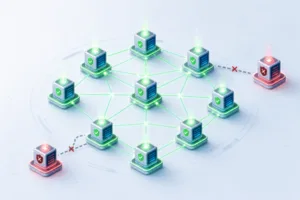
Byzantine Fault Tolerance (BFT) lets blockchains agree even when up to one-third of validators are faulty or malicious, keeping transactions secure and final.

For crypto businesses in Europe, MiCA has become more than just a legal framework — it is now a source of operational risk. Regulatory requirements...

Layer 2 chains scale blockchains like Ethereum by processing transactions off-chain. Learn how rollups, sidechains, and state channels cut fees and speed things up.
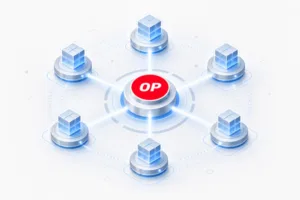
OP-based chains are Layer-2 blockchains built with the OP Stack to scale Ethereum, powering the interoperable Optimism Superchain of fast, low-cost networks.