English
  Nederlands
  Deutsch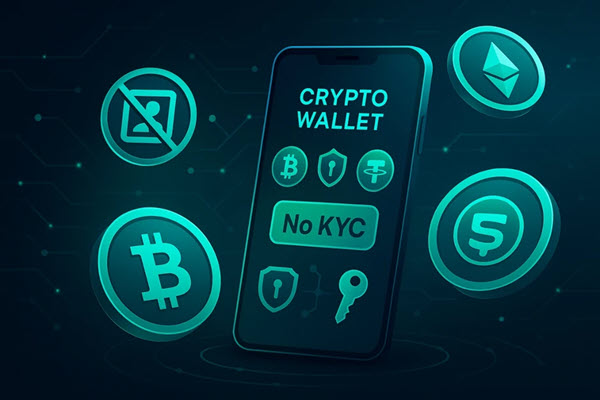


As interest in digital assets continues to rise, alternative wallet infrastructures and non-custodial solutions are gaining increased attention across the crypto industry. One of the segments expanding steadily across global markets is the category of self-managed crypto wallets that provide users with direct control over digital asset operations and transaction management. This trend aligns with the broader shift toward self-custody, operational flexibility and decentralized financial technologies.
Growing Focus on Secure Crypto Operations
Over the past several years, the crypto industry has undergone a noticeable transformation as businesses and users have become more attentive to operational security, infrastructure management and the way digital asset data is processed and stored. At the same time, the expansion of digital asset regulation and compliance standards has increased interest in flexible infrastructure models that support efficient and secure crypto operations.
Non-custodial wallet solutions have become an important part of this trend by providing users and businesses with direct control over digital asset storage and transaction management. While many platforms continue to rely on traditional onboarding and verification procedures, the broader market for self-managed crypto infrastructure continues to evolve alongside technological innovation and changing operational requirements.
Key Characteristics of Non-Custodial Crypto Wallet Infrastructure
Non-custodial wallet solutions are typically built around several core principles that distinguish them from traditional custodial platforms.
- Direct control over private keys. Most non-custodial crypto wallet solutions allow users to manage their own private keys, giving them direct control over digital assets and transaction authorization processes.
- Self-managed infrastructure. These wallet models are designed to support independent asset management and operational flexibility while minimizing reliance on centralized transaction processing systems.
- Direct interaction with blockchain networks. Users can interact with blockchain ecosystems such as Bitcoin, Ethereum or Tron through infrastructure that supports direct transaction management and on-chain operations.
- Flexible operational architecture. Non-custodial wallet solutions are often valued for their adaptability across different business models, payment workflows and digital asset management strategies.
These characteristics contribute to the continued growth of non-custodial wallet infrastructure and reinforce its role within the broader digital asset ecosystem.
The Shift Toward Non-Custodial Ecosystems
The growing adoption of non-custodial tools is closely connected to the broader expansion of decentralized financial technologies and self-managed digital asset infrastructure. Many businesses and individual users are exploring operational models that provide greater flexibility in how crypto assets, payment flows and wallet operations are managed.
In this environment, non-custodial crypto wallets have become an important component of modern blockchain infrastructure. They support direct asset management, self-hosted operational models and greater control over transaction workflows within decentralized ecosystems.
At the same time, non-custodial frameworks also require responsible operational practices. Users and businesses must ensure secure key storage, maintain internal security procedures and protect infrastructure from phishing attempts and other cybersecurity risks. This operational responsibility remains a core aspect of self-managed wallet environments.
Integration Trends and the Role of Modern Technology
As digital asset adoption continues to expand, more wallet infrastructures are incorporating advanced features such as multi-wallet management, automated workflows, API integrations and simplified operational interfaces. These developments reflect growing market demand for solutions that combine operational efficiency with compatibility across modern business and blockchain environments.
Among the companies operating in this segment are providers of self-hosted non-custodial wallet infrastructure designed for digital asset management and crypto payment operations. Such platforms may include features like multi-wallet support, transaction automation and integration capabilities that help businesses manage crypto workflows more efficiently within decentralized ecosystems.
These developments illustrate the broader evolution of non-custodial technologies and modern digital asset infrastructure.
Adoption Drivers in the Modern Crypto Landscape
Market observations highlight several ongoing developments contributing to the growth of non-custodial wallet infrastructure and self-managed digital asset solutions:
- Increasing interest in self-managed digital asset operations as more users and businesses explore direct control over wallet and transaction management.
- Expansion of decentralized platforms as DeFi ecosystems, layer-2 networks and blockchain-based applications continue to scale.
- Growing demand for multi-chain compatibility as modern wallet infrastructures support interoperability across multiple blockchain networks.
- Rising adoption of automated and API-driven workflows that simplify digital asset management and operational processes.
These trends reinforce the growing role of non-custodial infrastructure within the evolving digital asset ecosystem and reflect increasing demand for flexible and efficient blockchain operation models.
Conclusion
The crypto sector continues to evolve, and non-custodial wallet infrastructure remains an important part of this transformation. Self-managed crypto wallet models provide users and businesses with direct control over digital asset operations, flexible blockchain interaction and greater independence in managing transaction workflows. At the same time, these approaches require responsible operational practices and strong security management.
As digital asset adoption grows, non-custodial wallets continue to play a significant role within the broader blockchain ecosystem. Their continued development reflects increasing demand for flexible, secure and efficient infrastructure that supports modern digital asset operations and decentralized technologies.
This article does not constitute financial, investment or legal advice.
 Stay Ahead in Crypto