
 English
  Nederlands
  Deutsch
Key Takeaways
- A rug pull is a scam where developers drain a liquidity pool or exploit hidden smart contract code to steal investor funds, then disappear.
- Red flags include unlocked liquidity, anonymous teams promoting unrealistic yields, and developer wallets holding the majority of a token’s supply.
- Before investing, verify liquidity locks, check for reputable third-party audits, and inspect on-chain wallet activity via blockchain explorers.
In This Article
- How Rug Pulls Happen: The Main Tactics
- Why Rug Pulls Remain Common
- How to Spot a Rug Pull Before It Happens
- Are “Unruggable” Projects Real?
- Notable Rug Pull Examples
- Advanced Protection for Builders
- What to Do If You’ve Been Rugged
- NFT Rug Pulls: A Growing Variant
- Are Rug Pulls Illegal?
- Verify, Don’t Trust
In cryptocurrency, being rugged or rug-pulled means becoming a victim of a rug pull, a scam where project developers abandon a token, decentralized app (dApp), or liquidity pool after attracting investor funds. The name comes from the image of someone “pulling the rug out” from under investors, leaving them with worthless tokens.
While the term originated in DeFi (Decentralized Finance), rug pulls have expanded across NFTs, meme coins, and Web3 gaming ecosystems. According to CertiK’s 2025 Web3 Security Report, rug pulls accounted for roughly 35% of all crypto scams in 2024, totaling around $1.2 billion in confirmed on-chain losses, making them one of the most persistent threats in the digital asset space.
How Rug Pulls Happen: The Main Tactics
Rug pulls typically occur in three distinct ways, each exploiting decentralization’s lack of centralized oversight.
1. Liquidity Drains on DEXs
The most common version appears on decentralized exchanges (DEXs) like Uniswap, PancakeSwap, or Raydium.
Developers launch a new token, pair it with ETH, USDT, or another base asset, and attract buyers. Once liquidity grows, they withdraw all assets from the pool, instantly collapsing the price.
2. Malicious or Hidden Smart-Contract Functions
Some developers embed concealed code that lets them:
- Mint unlimited tokens
- Block user sales
- Redirect pool funds to personal wallets
Such exploits often evade detection by using proxy upgrades or low-effort audits.
Example: A DeFi protocol includes an “admin mint” function. When prices spike, the team mints and sells millions of tokens, causing an instant crash.
3. Soft Rugs: Slow and Subtle Exits
Not every rug happens overnight. In a soft rug, the team gradually abandons development, reduces updates, and slowly dumps their holdings.
These scams are especially common in NFT collections and metaverse projects where hype fades after minting.
Example: An NFT project promises play-to-earn integration. After selling out, the website and socials quietly vanish over several weeks.
Why Rug Pulls Remain Common
Despite better awareness and improved auditing tools, rug pulls thrive due to several structural factors:
- Permissionless deployment: anyone can issue a token in minutes.
- Anonymity: devs often hide behind pseudonyms.
- FOMO marketing: influencer hype encourages quick buying.
- Weak regulation: most DeFi projects operate outside clear legal frameworks.
- Yield chasing: unrealistic APYs blind investors to red flags.
How to Spot a Rug Pull Before It Happens
Avoiding rug pulls is about research, not luck. Apply these checks before investing:
1. Tokenomics and Liquidity
- Confirm that liquidity is locked via a verifiable service like Team Finance. Unlocked liquidity allows instant withdrawals.
- Review token distribution on Etherscan. Developer wallets holding more than half the supply signal danger.
- Verify that “burn” addresses send tokens to dead wallets like 0x000…dead, not team-controlled accounts.
2. Contract Audit and Code Safety
- Look for audits from verified firms such as CertiK, Quantstamp, or Hacken.
- Read the executive summaries: some audits list “centralized control” as an unresolved issue.
- Developers can use open-source tools like Slither or MythX to identify hidden mint or ownership functions.
3. Transparent Team and Community
- Check team authenticity on LinkedIn, GitHub, or X (formerly Twitter).
- If anonymity is claimed, ensure the codebase and governance are on-chain and verifiable.
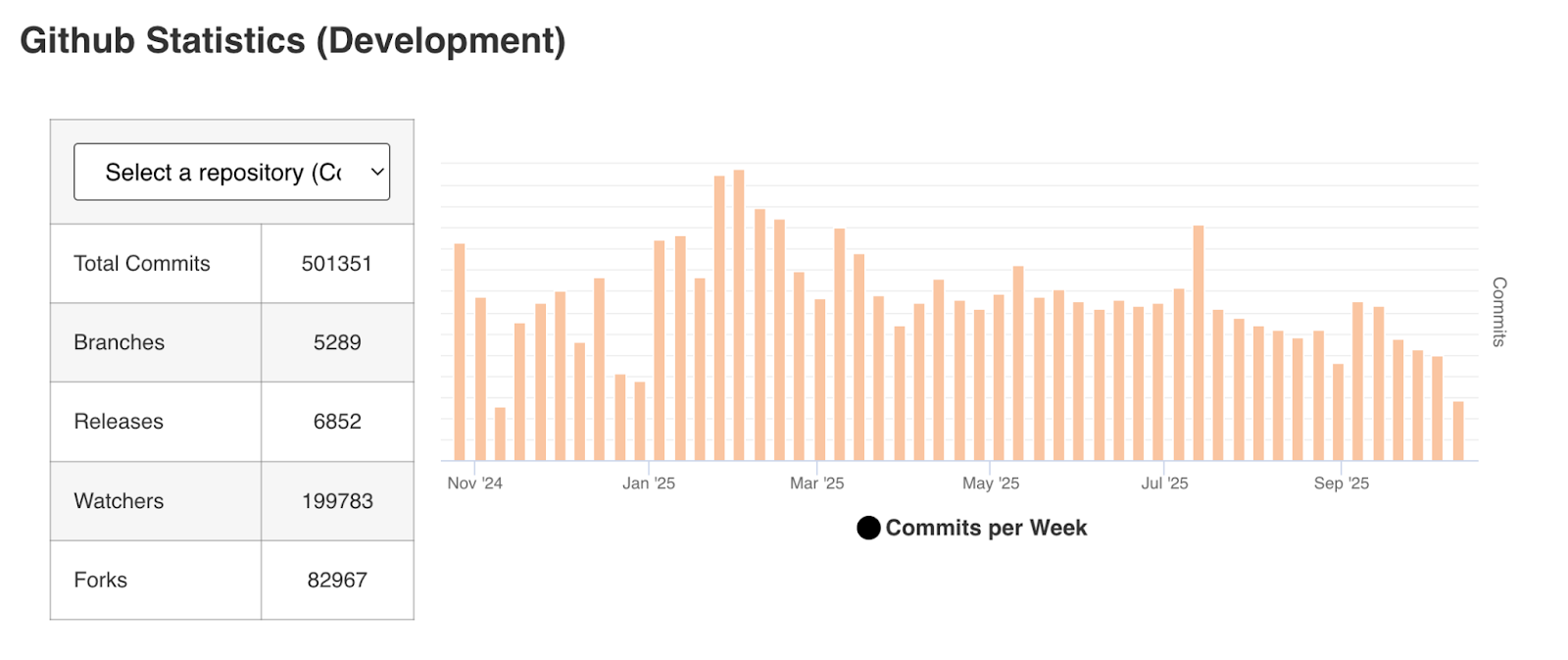
- Review GitHub commit activity and social media engagement to gauge how consistently the team communicates.
Are “Unruggable” Projects Real?
“Unruggable” is often a marketing buzzword, but projects can reduce risk significantly through:
- Renounced ownership of smart contracts
- Time-locked liquidity using verifiable smart contracts
- Multi-sig treasury wallets like Gnosis Safe
- Decentralized governance with transparent voting
- Third-party audits and open-source code
These measures don’t make a project invincible, but they help ensure no single actor can drain funds unnoticed.
Notable Rug Pull Examples
- Squid Game Token (2021): over $3 million stolen as devs blocked sales.
- AnubisDAO (2021): $60 million vanished within a day of launch.
- Fintoch (2023): fake “decentralized lending” platform rug-pulled $31 million.
- DeFi Forks (2024): multiple cloned yield farms disappeared post-IDO.
Advanced Protection for Builders
Developers can actively design unruggable-by-structure protocols:
- Use multi-signature authorization for liquidity and treasury actions.
- Add 24 to 48 hour timelocks on key contract functions to prevent sudden withdrawals.
- Maintain open repositories and community proposals for transparency.
- Launch bug-bounty programs via platforms like Immunefi to detect vulnerabilities early.
These steps protect users and strengthen trust in Web3 projects.
What to Do If You’ve Been Rugged
While recovery is difficult, taking immediate action helps:
- Report incidents to Etherscan and security firms such as PeckShield or SlowMist.
- Track stolen funds using explorers like Solscan or BSCScan.
- Coordinate with victims through community channels; collective reporting increases visibility.
- Avoid reinvesting in “recovery tokens” claiming to compensate victims; most are secondary scams.
NFT Rug Pulls: A Growing Variant
NFT scams use similar tactics with artistic fronts:
- Fake celebrity endorsements
- Disappearing project websites after mint
- Closing marketplaces that hold user funds
- Copy-pasted artwork sold as “unique”
Are Rug Pulls Illegal?
Yes, rug pulls can violate fraud, consumer-protection, and securities laws, though enforcement depends on jurisdiction.
New frameworks like MiCA in the EU and FinCEN’s DeFi guidance in the U.S. are tightening accountability, making on-chain scams prosecutable offenses in 2025.
Verify, Don’t Trust
Getting rugged isn’t just about losing tokens; it’s about losing trust.
As the crypto ecosystem matures, AI-driven auditing, real-time contract monitoring, and verified reputation systems are making rug pulls harder to execute.
Yet, the first line of defense remains individual vigilance. Before investing in any crypto, NFT, or DeFi project:
Don’t trust. Verify. Every time.
 Stay Ahead in Crypto