English
  Nederlands
  Deutsch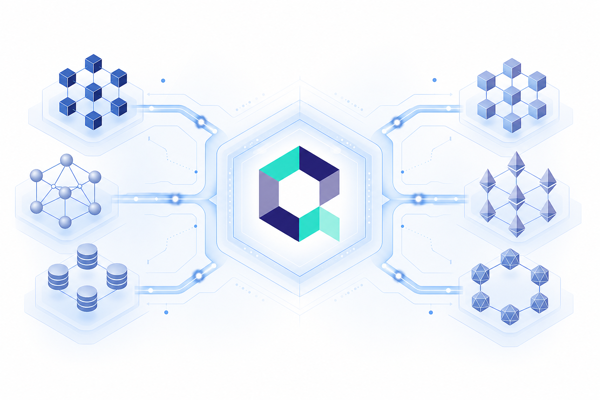

Key Takeaways
- Quant is a blockchain interoperability platform whose Overledger technology connects multiple blockchains and existing systems through a single interface.
- Instead of building a new blockchain, Quant operates at the application layer, letting enterprises link to networks like Ethereum and Bitcoin without replacing their infrastructure.
- The QNT token powers the ecosystem through licensing fees, developer fees, and staking, giving it clear utility as adoption grows.
In This Article
Cryptocurrencies have been around for a while now, and many projects aim to tackle issues within the blockchain world. One such project making waves is Quant (QNT). Unlike other cryptocurrencies that focus on building entirely new blockchains, Quant’s aim is to bridge the gap between existing blockchains and other distributed ledger technologies (DLT). In simpler terms, Quant seeks to solve the communication problems between different blockchain networks, allowing them to work together seamlessly.
What Makes Quant Stand Out?
At the core of the Quant ecosystem is Overledger. Overledger isn’t a blockchain itself but a platform that connects multiple blockchains through a single interface. This makes it possible for businesses and developers to build decentralized applications that can run across various blockchain networks, rather than being limited to a single one. Quant’s primary goal is interoperability, allowing different networks to interact with one another without needing to completely rework their code or architecture.
Unlike traditional bridges that rely on smart contracts or liquidity pools, Overledger operates at the application layer, making it easier and more secure for businesses to connect their existing systems to different blockchain networks. This flexibility opens up new possibilities for enterprises in various sectors, including finance, supply chain, and healthcare.
How Does Quant Work?
Quant works by facilitating interoperability between blockchains through Overledger, an API-based gateway that connects disparate networks. Here’s how it works:
- Multi-Chain Decentralized Applications (mDApps): Developers can create mDApps that can run on multiple blockchains simultaneously, enabling them to leverage the strengths of each blockchain. For example, a developer could design an application that takes advantage of Bitcoin’s security and Ethereum’s smart contract capabilities, all within a single platform.
- API Gateway: Overledger acts as the middleware that allows different blockchains and systems to “talk” to each other. It provides a unified interface through which companies can connect their existing IT infrastructure to blockchain networks like Ethereum, Bitcoin, and Hyperledger.
- Treaty Contracts: One of the standout features of Quant is its ability to use treaty contracts in its mDApps. Unlike standard smart contracts, treaty contracts enable cross-chain interactions, allowing for more complex and multi-layered logic across blockchains. This makes Quant particularly useful for more advanced decentralized applications, where blockchain networks need to share data and execute processes across multiple ledgers.
The Power of QNT Token
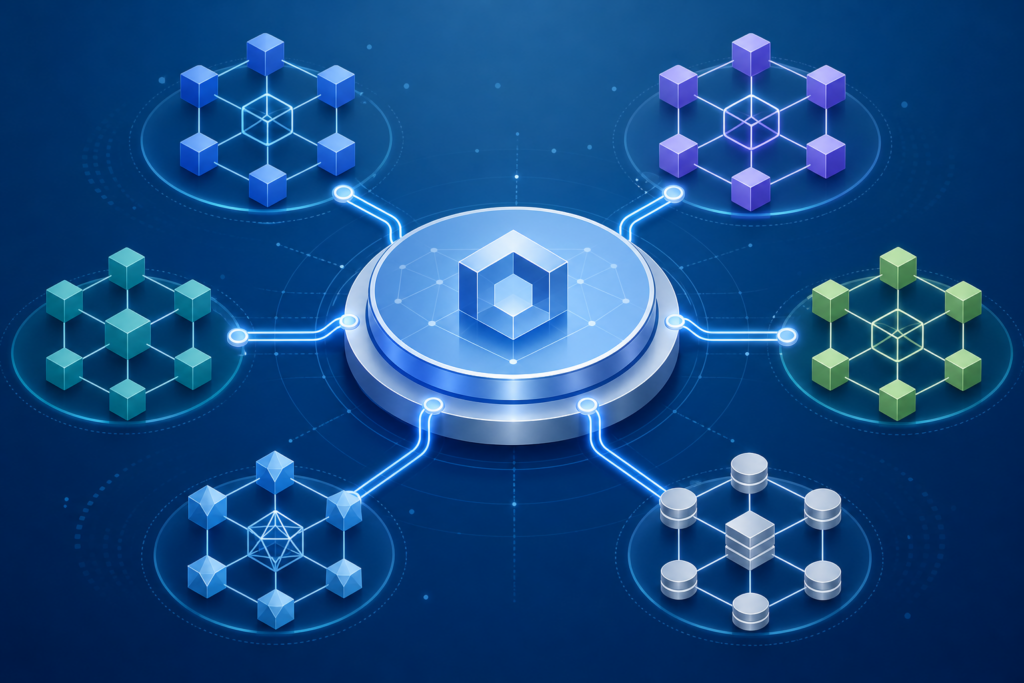
Like any crypto network, Quant relies on a native token to fuel its ecosystem. The QNT token is an ERC-20 token on the Ethereum blockchain that powers the Quant network. It’s used for a few key purposes:
- Licensing Fees: Businesses looking to use Quant’s Overledger API must pay licensing fees in QNT. The demand for QNT tokens will rise as more companies join the network and start using Overledger to integrate blockchain technology into their operations.
- Developer Fees: Developers who build mDApps on the Quant network must use QNT to create and deploy these applications. This gives the token a strong use case within the ecosystem, as it directly powers the creation and deployment of cross-chain applications.
- Staking and Network Participation: QNT tokens can also be staked by node operators who support the network by verifying transactions and processing data. Stakers earn rewards for their contributions to maintaining the system’s security and performance.
Why Is Quant Valuable?
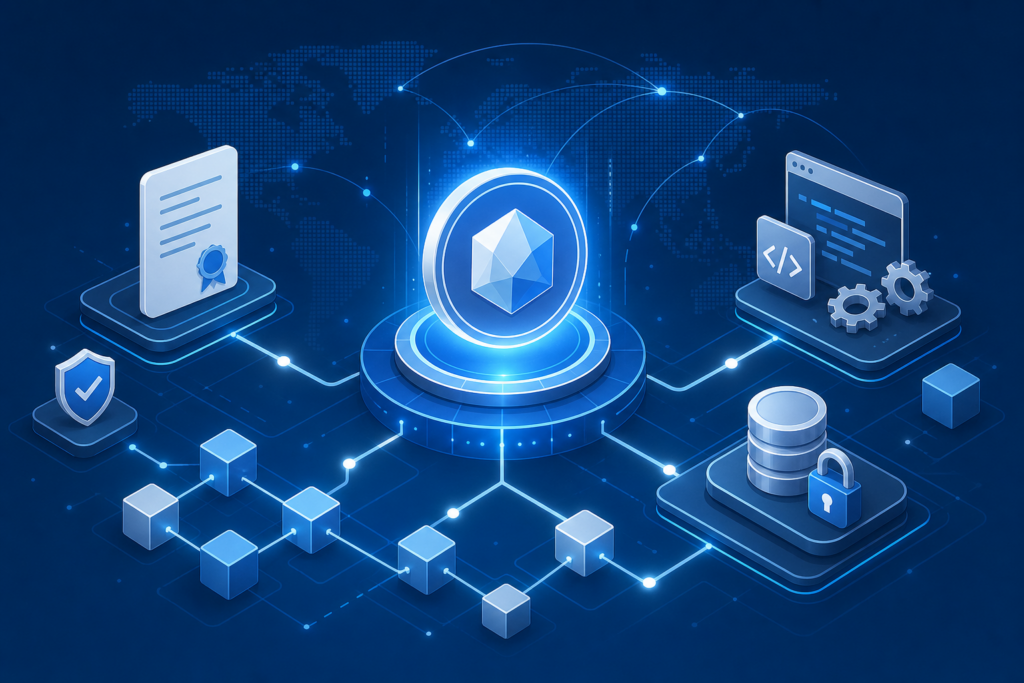
Quant’s value comes from its ability to provide enterprise-grade blockchain solutions. Many industries still struggle with siloed data and disconnected systems. Quant’s vision is to solve this problem by connecting these isolated networks using blockchain technology.
- Increased Efficiency: By enabling different systems to communicate seamlessly, Quant helps businesses reduce inefficiencies, such as delays or errors caused by incompatible systems. For example, banks using Quant’s technology can connect their internal systems with public blockchain networks, speeding up transactions and data exchange.
- Central Bank Digital Currencies (CBDCs): Quant’s technology has been actively involved in developing Central Bank Digital Currencies (CBDCs). Institutions like the Bank of England have collaborated with Quant to explore how digital currencies can integrate with existing financial systems. If CBDCs become widely adopted, Quant could play a pivotal role in facilitating the smooth integration of these digital currencies across different platforms.
- Real-World Use Cases: Unlike some crypto projects that are still in the experimental phase, Quant is already being used by financial institutions and enterprises. For instance, it has partnered with companies like Nexi to improve payment systems and has been involved in various CBDC pilot projects.
Use Cases of Quant’s Technology
Quant’s platform isn’t just for crypto enthusiasts; it’s aimed at solving real-world problems across multiple industries. Here are some key areas where Quant’s technology is making an impact:
- Banking and Finance: Quant is helping traditional financial institutions adopt blockchain technology by allowing them to link up with multiple blockchain networks without having to overhaul their entire infrastructure. This enables faster, more secure transactions, as well as easier integration of digital assets and tokenized funds.
- Supply Chain Management: Many companies struggle with the inefficiencies of managing global supply chains, especially when different players use different databases and technologies. With Quant, businesses can connect their systems to blockchain networks and share data more effectively, improving transparency and reducing the risk of fraud or delays.
- Central Bank Digital Currencies (CBDCs): Quant has been involved in CBDC projects with various central banks, helping them explore how digital currencies could work alongside traditional banking systems. Quant’s technology facilitates the secure and efficient transfer of assets between different networks, which is essential for the implementation of CBDCs.
- Cross-Network Execution: With Quant Fusion, businesses can execute transactions across multiple blockchains, regardless of whether they are public or private. This cross-network execution opens up opportunities for creating more sophisticated decentralized applications that can leverage the unique features of each blockchain.
Advantages of Quant Over Competitors
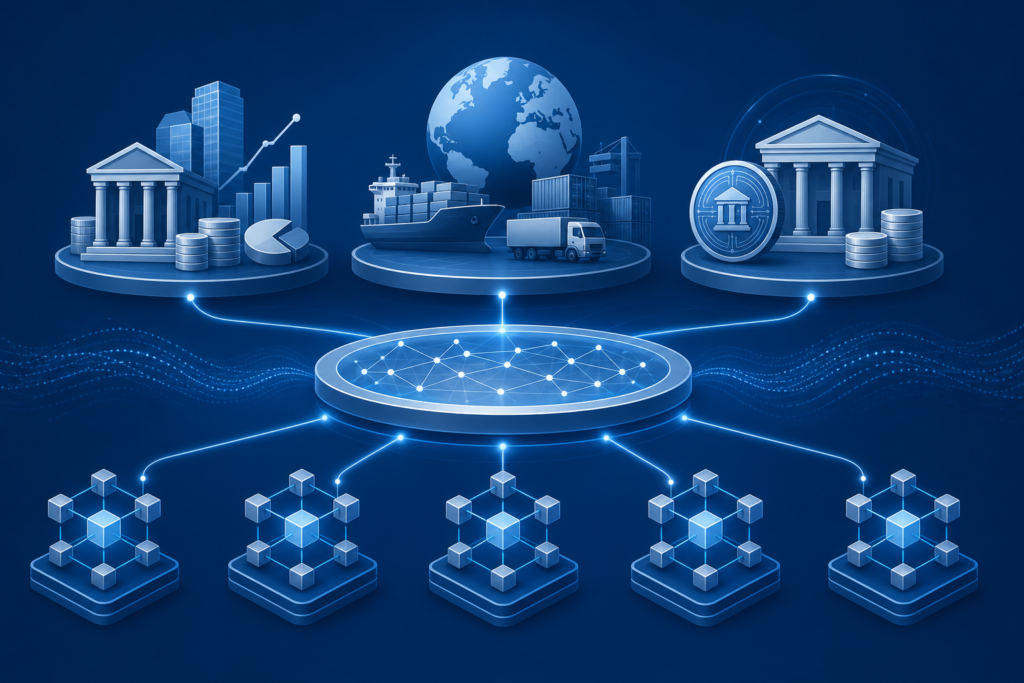
While there are other interoperability projects like Polkadot and Cosmos, Quant has a unique approach that makes it stand out:
- No New Blockchain: Unlike other platforms that create new Layer 0 blockchains, Quant operates at the application layer. This means it doesn’t require businesses to abandon their existing systems or switch to a new blockchain ecosystem.
- Security and Privacy: Quant doesn’t store users’ private keys or funds, making it more secure than traditional cross-chain bridges that can be vulnerable to attacks. It simply passes messages between networks, which reduces the risk of hacks and exploits.
- Flexibility: Quant supports both blockchain and non-blockchain systems, allowing businesses to bridge the gap between traditional databases and blockchain networks. This makes it highly versatile and ideal for industries that need to integrate multiple technologies.
The Future of Quant
Quant is positioning itself to be a key player in the evolution of cross-chain interoperability. As blockchain adoption continues to grow, the demand for seamless integration between networks will increase, and Quant is well-positioned to meet this need.
As more institutions adopt blockchain technology, demand for Quant’s services, and in turn for QNT, could grow. With a limited token supply and clear utility within the network, QNT is closely tied to the broader adoption of cross-chain interoperability rather than short-term speculation.
Conclusion
Quant isn’t just another crypto project; it’s a technology infrastructure that bridges the gap between different blockchains, allowing businesses and institutions to connect their existing systems to decentralized networks. Through its flagship product, Overledger, Quant is solving real-world problems in finance, supply chain, and beyond. As blockchain adoption grows, Quant’s interoperability solutions could become the standard for connecting different networks, making it a project to watch closely in the coming years.
With QNT powering this ecosystem, it’s not just about digital assets and transactions; it’s about creating a unified framework for the future of decentralized systems. Whether you’re an investor, developer, or business looking to integrate blockchain into your operations, Quant provides a promising and practical solution.
 Stay Ahead in Crypto