English
  Nederlands
  Deutsch


Key Takeaways
- Monero (XMR) is a privacy-focused cryptocurrency, launched in 2014, that hides the sender, receiver, and amount of every transaction by default.
- It achieves this with ring signatures, stealth addresses, and Ring Confidential Transactions, making payments untraceable and unlinkable.
- Strong privacy makes XMR fungible and censorship-resistant, but it also attracts regulatory scrutiny and exchange delistings.
In This Article
The Coin That Flips the Script
In a crypto market where transparency is often praised, Monero (XMR) does the opposite. It does not just offer privacy, it enforces it. While most blockchains expose transaction trails for anyone to inspect, Monero was built around one core mission: make digital money truly private, fungible, and censorship-resistant. That focus has made it the most recognized privacy coin in the market.
So what exactly is Monero, and why does it continue to stand apart in an increasingly regulated crypto landscape?
Understanding Monero
Monero (XMR) is a decentralized, open-source cryptocurrency launched in 2014. Like Bitcoin, it runs on a peer-to-peer network with no intermediaries. Unlike Bitcoin, Monero is designed to obscure every critical detail of a transaction by default.
That means the sender’s identity is hidden, the recipient’s address is concealed, and the transaction amount is encrypted. There is no opt-in and no transparency toggle: privacy is baked into the protocol. At its core, Monero aims to function as true digital cash, something you can send and receive without leaving a public footprint.
Why Monero Exists
Early cryptocurrencies introduced financial sovereignty but fell short on privacy. Bitcoin, for example, uses a transparent ledger where wallet addresses are publicly visible, transaction histories are traceable, and spending patterns can be linked to real-world identities. The result is a paradox: decentralized money, but with surveillance-level transparency.
Monero was built to close that gap. It addresses concerns such as financial privacy in an era of constant data tracking, fungibility (ensuring every coin is equal and none can be “tainted” by its history), and protection against censorship and blacklisting. In simple terms, Monero makes your money behave like cash, not a public spreadsheet.
How Does Monero Work?
Monero achieves its privacy through a combination of cryptographic techniques that work together to make transactions both verifiable and untraceable.
Ring Signatures (Hiding the Sender)
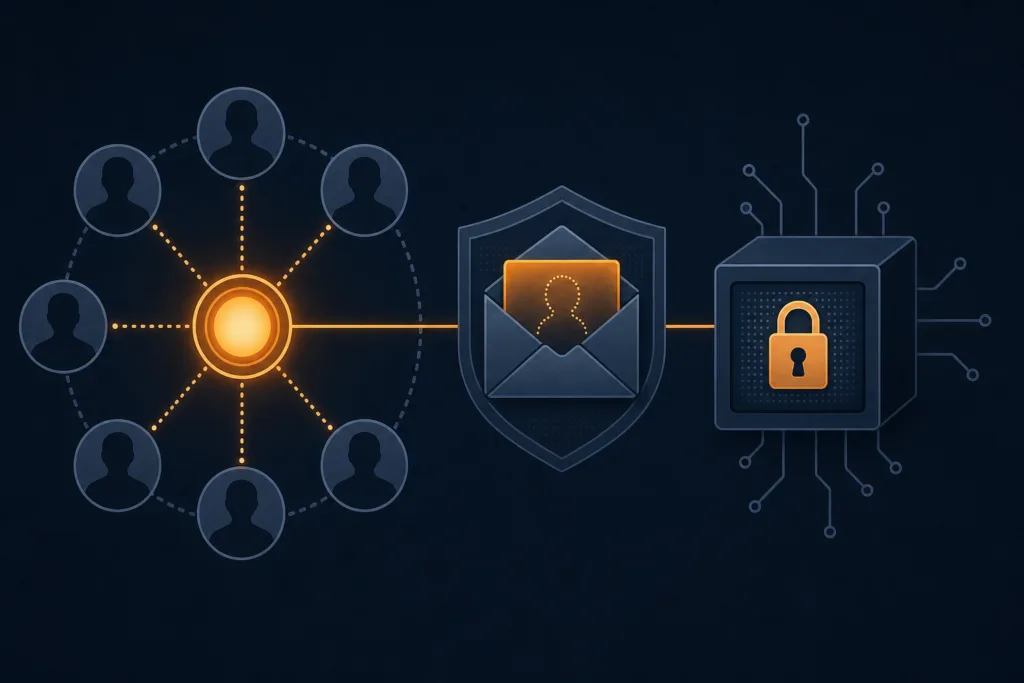
Ring signatures mix a user’s transaction with several others, making it impossible to single out the true sender. Each transaction is signed alongside decoy inputs, so an observer sees a group rather than one participant, and the real signer stays indistinguishable. Think of it as signing a document in a crowd where everyone appears equally likely to be the author.
Stealth Addresses (Protecting the Receiver)
Instead of sending funds to a public wallet address, Monero generates a one-time address for every transaction. The recipient’s real address is never exposed, each payment uses a unique destination, and only the recipient can recognize and access the funds. This prevents outsiders from linking payments to a specific wallet.
Ring Confidential Transactions (Hiding the Amount)
Monero also conceals the transaction amount using encrypted commitments known as Ring Confidential Transactions. Values are hidden from public view while network nodes can still verify that the maths balances and no coins were created out of thin air. Not just who transacted, but how much, stays private.
Network-Level Privacy
Monero adds a further layer by obscuring where a transaction originates at the network level. This reduces the chance of tracking a user by IP address and protects them even before a transaction reaches the ledger, going beyond on-chain privacy alone.
Key Features of Monero
Monero’s design leads to several features that set it apart from most other cryptocurrencies.
- Default privacy: Every transaction is private automatically, with no risk of accidental exposure.
- Fungibility: All XMR is equal, so no coin can be “tainted” by its transaction history or have its value reduced.
- CPU-friendly decentralization: Monero uses a Proof-of-Work algorithm optimized for ordinary CPUs, reducing reliance on specialized mining hardware.
- Open-source development: A global community continuously improves the protocol without centralized control.
- Optional transparency: Users can share a view key to selectively reveal transaction details for auditing or compliance.
Monero vs Bitcoin
The contrast is blunt: Bitcoin is transparent by design, while Monero is private by design. Bitcoin transactions leave a permanent public record, whereas Monero transactions are intentionally opaque. This fundamental difference is why Monero is often called the privacy gold standard in crypto.
| Feature | Bitcoin | Monero |
|---|---|---|
| Transaction data | Public | Hidden |
| Address visibility | Transparent | Obfuscated |
| Fungibility | Limited | Strong |
| Privacy by default | No | Yes |
For a closer look at how the two networks differ in practice, our deep dive on Bitcoin versus Monero compares their privacy features and real-world use cases in more detail.
What Monero Is Used For
Despite its reputation, Monero is not only about secrecy. It has practical, legitimate applications for anyone who values confidentiality.
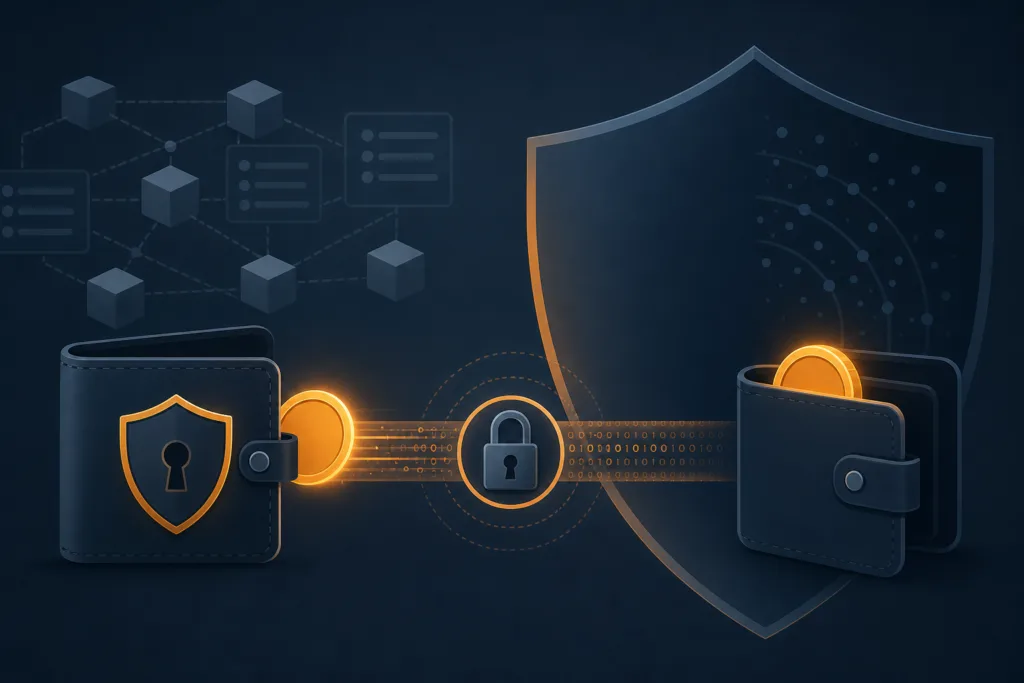
- Private payments: Individuals who do not want every purchase recorded on a public ledger.
- Business transactions: Companies that prefer competitors cannot see their payment flows or supplier relationships.
- Cross-border transfers: Moving value internationally without banking restrictions or long settlement delays.
- Personal financial protection: Guarding against data leaks, profiling, and broad financial surveillance.
Advantages of Monero
- Strong anonymity for every user, applied by default rather than as an option.
- Resistance to censorship and tracking at both the blockchain and network level.
- True fungibility, with no risk of blacklisted or flagged coins.
- High cryptographic security underpinning every transaction.
- Community-driven innovation from a large, active open-source developer base.
Challenges and Criticism
- Regulatory pressure: Some countries and exchanges restrict or delist XMR over compliance concerns.
- Limited accessibility: It can be harder to buy than mainstream cryptocurrencies.
- Larger transaction sizes: Privacy features increase the data each transaction needs.
- Perception issues: Anonymity means Monero is sometimes associated with illicit use.
It is worth noting that privacy itself is not illegal, but it does attract scrutiny.
Is Monero Legal?
Monero’s legal status varies by region. In many countries it remains legal to own and use, while some jurisdictions restrict or ban privacy coins outright. To stay compliant, a number of exchanges have chosen to delist XMR. The clearest example is the European Union, where regulated exchanges must stop offering privacy coins from 2027, which we cover in are privacy coins being banned in Europe? The key takeaway is that legality depends on local laws, not on the technology itself.
Why Monero Matters in 2026
As blockchain analytics and surveillance tools grow more powerful, privacy has become a central debate in crypto, and Monero sits at the heart of it. Its trajectory will largely depend on how regulators approach privacy-preserving technologies, how much demand there is for confidential financial systems, and whether developers can keep scaling privacy without sacrificing usability.
Monero’s value proposition is fundamentally different from the speed-and-hype narrative of many projects: it treats financial privacy as a right rather than a feature. By combining ring signatures, stealth addresses, and confidential transactions, it builds a system where transactions stay untraceable, unlinkable, and secure. In an otherwise transparent blockchain world, that makes Monero a rare alternative, and whether you view it as essential or controversial, it remains a clear statement about what money can be. For the fundamentals behind networks like this, our introduction to blockchain is a good starting point.
 Stay Ahead in Crypto